
Ski jumping is a fascinating sport. For the daring athletes who, year after year, take to the world’s largest ski jumps, the FIS Ski Jumping World Cup is the Champions League of their sport. With spectacular jumps and hill records, stars such as last season’s overall World Cup winners, Domen and Nika Prevc (both from Slovenia), ensure top viewing figures and sold-out ski jumping stadiums from late autumn through to spring. On its journey around the globe, the ski jumping circuit stops off at a number of new World Cup venues and many traditional locations that have been among the cathedrals of Nordic skiing for decades. SnowTrex has compiled a list of all the stops on the 2026/2027 World Cup circuit and highlights the year’s most important ski jumping events.
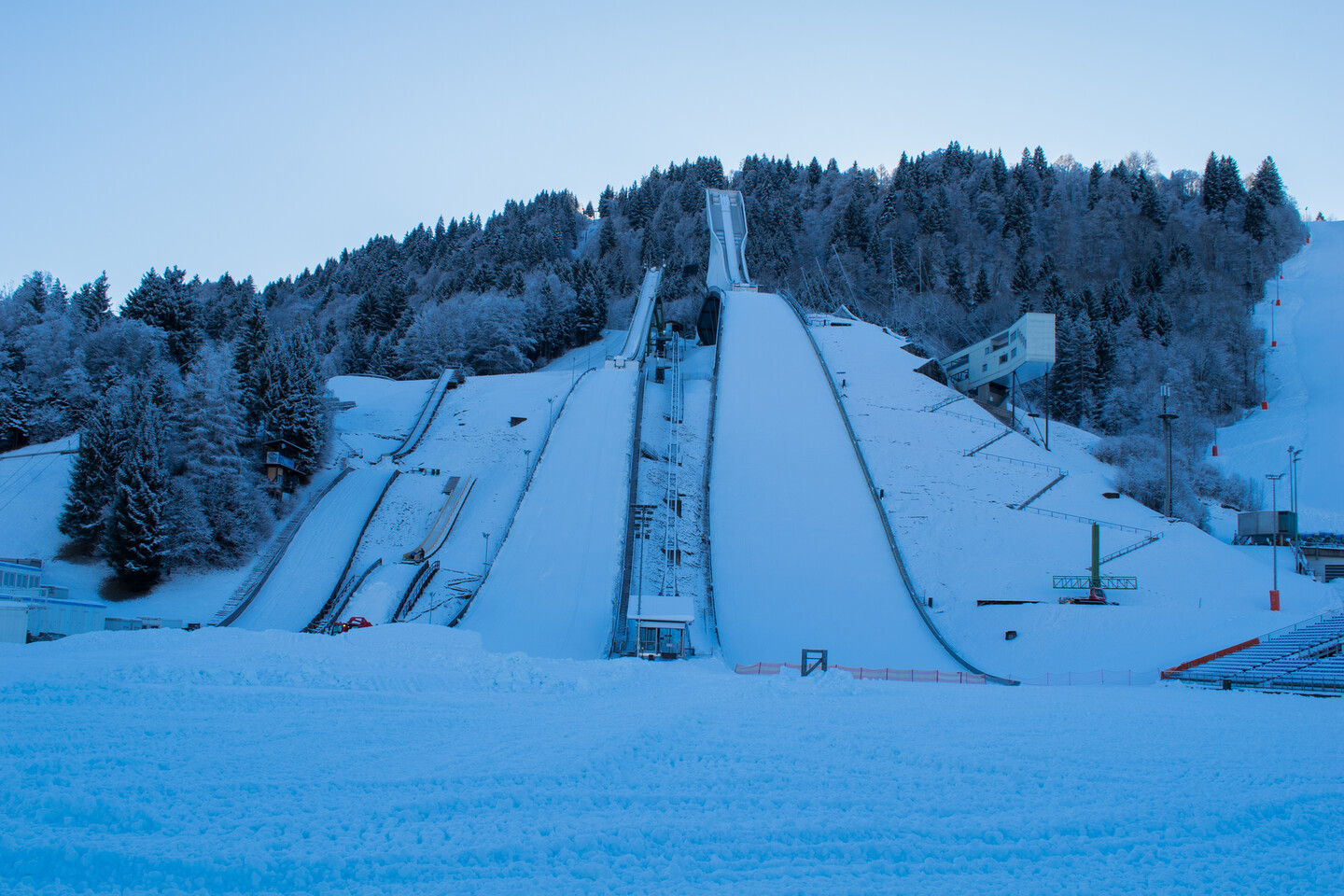
This is the Ski Jumping World Cup
- Start of the 2026/2027 Ski Jumping World Cup season: The World Cup will kick off between 20 and 22 November 2026 in Lillehammer, Norway, the host city of the 1994 Winter Olympics.
- First normal hill competition of the 2026/2027 season: At the second World Cup stop in Hinzenbach (Austria), the women will compete on the normal hill for the first time this World Cup season on 28 and 29 November 2026.
- Ski flying dates for 2027: The two ski flying events in the 2026/2027 Ski Jumping World Cup season for men and women will take place in Vikersund (Norway) and Planica (Slovenia).
- 2027 Ski Jumping World Cup Finals: The 2026/2027 competition season will conclude between 18 and 21 March 2027 with the ski flying event in Planica (Slovenia).
- Traditional opening venues for the Ski Jumping World Cup: Between 2016 and 2022, the season opener usually took place in Wisła; since 2024, Lillehammer (Norway) has been the host.
- History of the Ski Jumping World Cup: The first competition took place in Cortina d’Ampezzo in 1979, whilst the Women’s World Cup began in the 2011/2012 season.
- TV coverage and prize money in the Ski Jumping World Cup: The competitions are broadcast across Europe by Eurosport. For each World Cup victory, the men receive 15,000 euros and the women 5,000 euros.
Competitions of the 2026/2027 Women’s Ski Jumping World Cup at a glance
| Date | Ski Resort | Country | Disciplines |
|---|---|---|---|
| 20 to 22 November 26 | Lillehammer | Norway | Large Hill & Mixed Team Event (Large Hill) |
| 28 and 29 November 26 | Hinzenbach | Austria | Normal Hill |
| 5 and 6 December 26 | Wisla | Poland | Large Hill |
| 11 to 13 December 26 | Titisee-Neustadt | Germany | Large Hill |
| 19 and 20 December 26 | Engelberg | Switzerland | Large Hill |
| 28 and 29 December 26 (Four Hills Tournament) | Oberstdorf | Germany | Large Hill |
| 31 December 26 and 1 January 27 (Four Hills Tournament) | Garmisch-Partenkirchen | Germany | Large Hill |
| 2 and 3 January 27 (Four Hills Tournament) | Innsbruck | Austria | Large Hill |
| 5 and 6 January 27 (Four Hills Tournament) | Bischofshofen | Austria | Large Hill |
| 9 and 10 January 27 | Ljubno | Slovenia | Normal Hill |
| 15 and 16 January 27 | Zhangjiakou | China | Large Hill |
| 19 and 20 January 27 | Zao | Japan | Normal Hill |
| 22 to 24 January 27 | Sapporo | Japan | Large Hill & Mixed Team Event (Large Hill) |
| 29 to 31 January 27 | Willingen | Germany | Large Hill & Mixed Team Event (Large Hill) |
| 6 and 7 February 27 | Lake Placid | USA | Large Hill |
| 11 to 14 February 27 | Lahti | Finland | Large Hill |
| 18 to 21 February 27 | Vikersund | Norway | Ski Flying |
| 20 and 21 February 27 | Villach | Austria | Normal Hill |
| 24 February to 7 March 27 (Nordic World Ski Championships) | Falun | Sweden | Large Hill, Mixed Team Event (Normal Hill), Normal Hill & Team Event (Normal Hill) |
| 13 and 14 March 27 | Oslo | Norway | Large Hill |
| 18 to 21 March 27 | Planica | Slovenia | Ski Flying |
Competitions of the 2026/2027 Men’s Ski Jumping World Cup at a glance
| Date | Ski Resort | Country | Disciplines |
|---|---|---|---|
| 20 to 22 November 26 | Lillehammer | Norway | Large Hill & Mixed Team Event (Large Hill) |
| 28 and 29 November 26 | Ruka | Finland | Large Hill |
| 5 and 6 December 26 | Wisla | Poland | Large Hill & Team Event (Large Hill) |
| 11 to 13 December 26 | Titisee-Neustadt | Germany | Large Hill |
| 19 and 20 December 26 | Engelberg | Switzerland | Large Hill |
| 28 and 29 December 26 (Four Hills Tournament) | Oberstdorf | Germany | Large Hill |
| 31 December 26 and 1 January 27 (Four Hills Tournament) | Garmisch-Partenkirchen | Germany | Large Hill |
| 2 and 3 January 27 (Four Hills Tournament) | Innsbruck | Austria | Large Hill |
| 5 and 6 January 27 (Four Hills Tournament) | Bischofshofen | Austria | Large Hill |
| 16 and 17 January 27 | Zakopane | Poland | Large Hill & Team Event (Large Hill) |
| 22 to 24 January 27 | Sapporo | Japan | Large Hill & Team Event (Large Hill) |
| 29 to 31 January 27 | Willingen | Germany | Large Hill & Mixed Team Event (Large Hill) |
| 6 and 7 February 27 | Lake Placid | USA | Large Hill |
| 11 to 14 February 27 | Lahti | Finland | Large Hill & Mixed Team Event (Large Hill) |
| 18 to 21 February 27 | Vikersund | Norway | Ski Flying |
| 24 February to 7 March 27 (Nordic World Ski Championships) | Falun | Sweden | Large Hill, Mixed Team Event (Normal Hill), Normal Hill & Team Event (Large Hill) |
| 13 and 14 March 27 | Oslo | Norway | Large Hill |
| 18 to 21 March 27 | Planica | Slovenia | Ski Flying |
The highlights of the 2026/2027 World Cup season
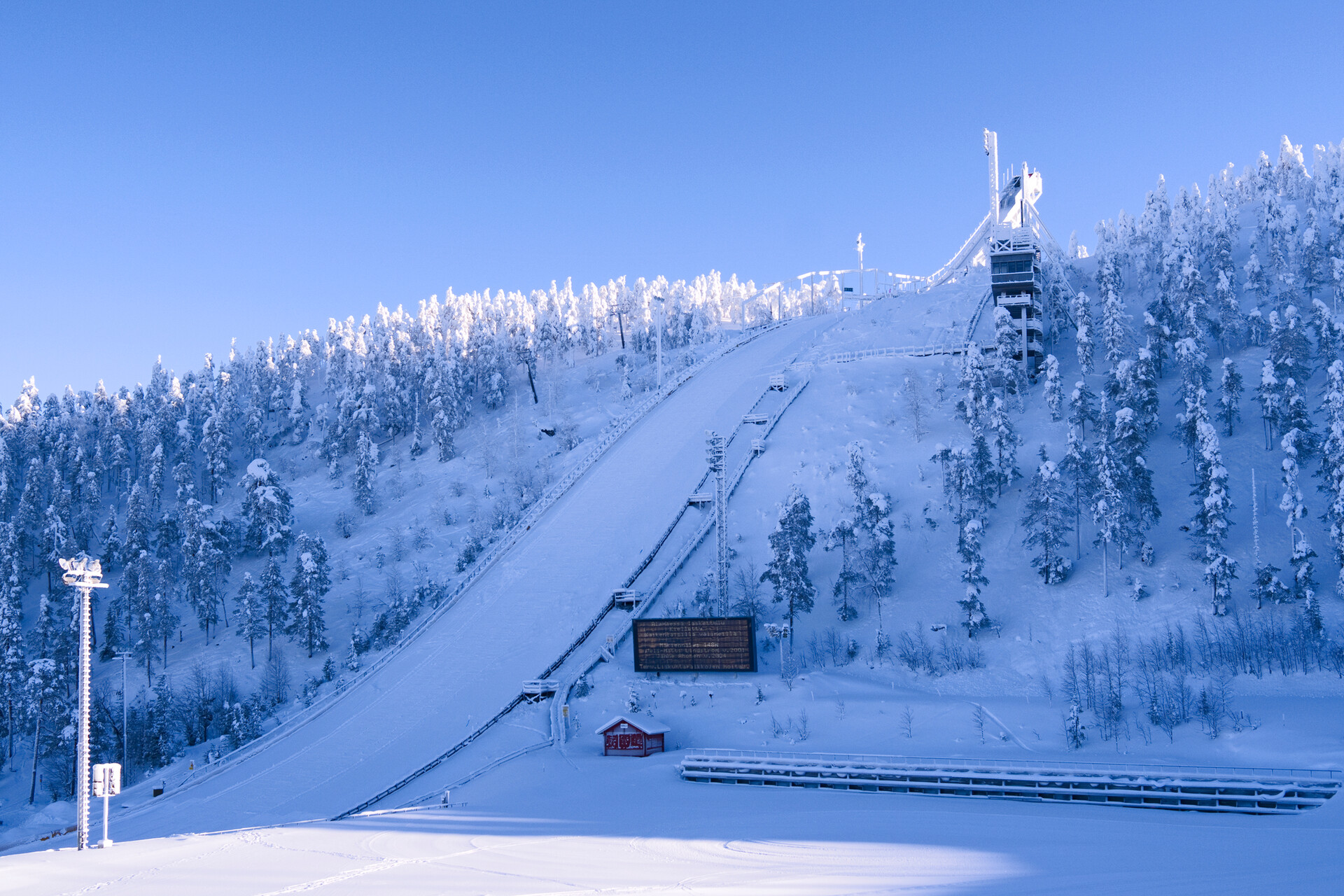
28 and 29 November: Ruka (Finland)
The second stop on the 2026/2027 Men’s Ski Jumping World Cup takes place a week after the season opener in Lillehammer (Norway), just under 50 km south of the Arctic Circle. The Finnish ski resort of Ruka will host not only cross-country skiing and Nordic combined events but also two World Cup ski jumping competitions. Two floodlit ski jumping events will be held over the weekend on the Rukatunturi ski jump. Incidentally, with a ‘hillsize’ – the distance between the take-off table and the end of the landing area – of 142 m, the facility was the world’s largest ski jump until 2003.
19 and 20 December: Engelberg (Switzerland)
The ski jumping circuit will make just one stop in Switzerland during the new winter sports season, namely in the ski jumping circus will only make one stop in the new winter sports season, namely in Engelberg. The monastery town in the canton of Obwalden will host two individual competitions each for men and women on the Gross-Titlis ski jump. As the World Cup will not be returning to Switzerland this year, tens of thousands of spectators are expected in Engelberg. The competitions will take place four days before Christmas Eve on the large hill, which has a hill size of 140 m and was last renovated in 2016.
→ Discover Engelberg offers at SnowTrex now
28 and 29 December: Oberstdorf (Germany)
The world-famous Four Hills Tournament begins in the Allgäu region four days before the turn of the year – and in 2026, it will feature a women’s event for the very first time! This means that, for the first time, men and women will be on a truly equal footing in the tournament. Oberstdorf has been the venue for the opening jump in Germany ever since 1953. The qualification round for the top 50 jumpers takes place the day before, with the first round on 29 December being held in a knockout format, as is customary on the Tour. Incidentally, it is not only the spectators in the stands who have a perfect view of the jumping action at the Schattenbergschanze – one of the competition venues for the 2021 Nordic World Ski Championships – but also skiers and snowboarders. This is because, high above the landing hill, the Nebelhornbahn gondola lifts lead directly into Oberstdorf’s local ski area.
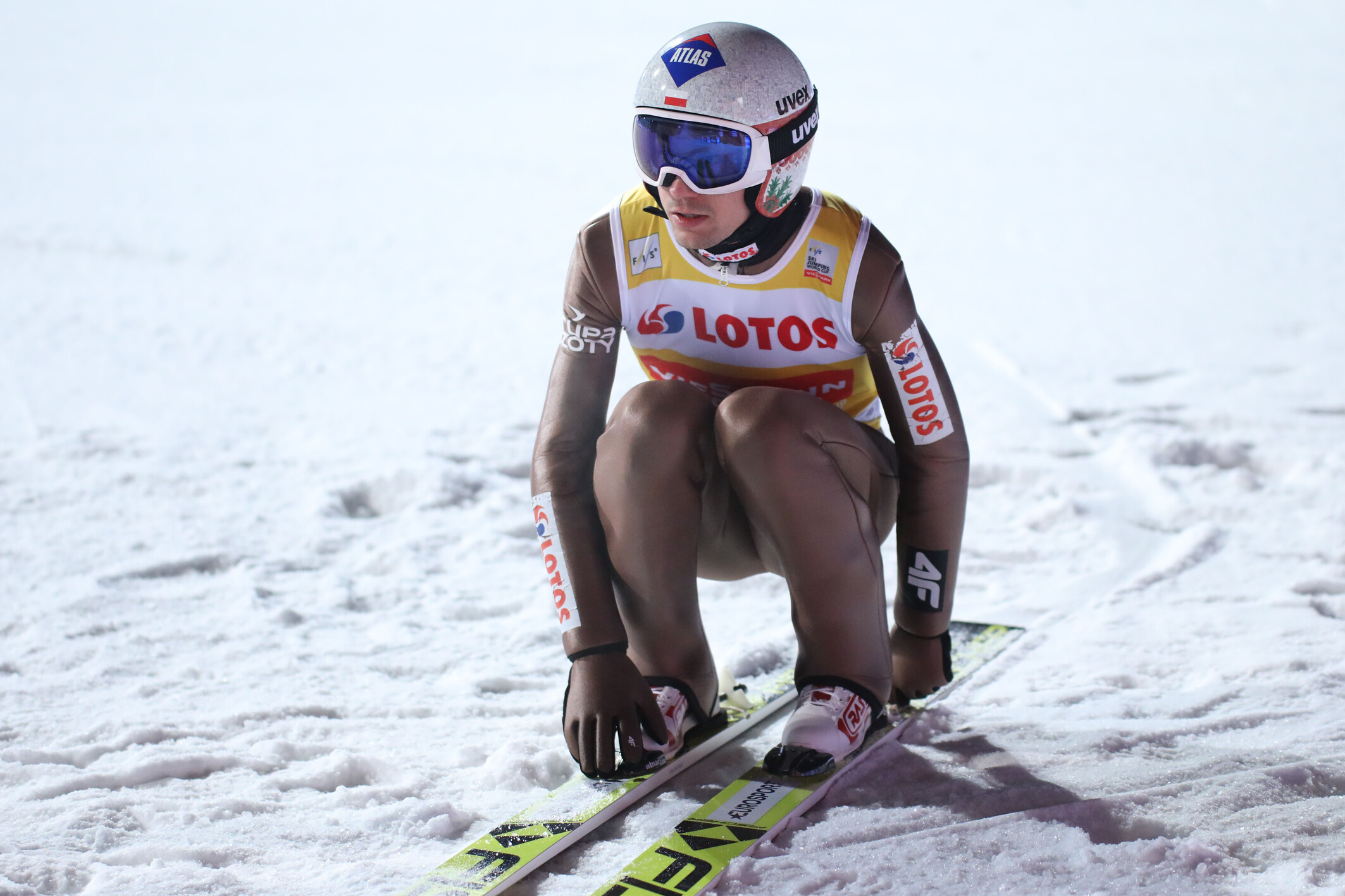
31 December and 1 January: Garmisch-Partenkirchen (Germany)
The most prestigious individual ski jumping event and one of the most important dates in the Ski Jumping World Cup is, undoubtedly, the New Year’s Ski Jumping in Garmisch-Partenkirchen. This makes the town in the shadow of the Zugspitze the only one in Germany to host both the Ski Jumping and Alpine Skiing World Cups in the 2026/27 season. The competition venue for the world’s elite ski jumpers has been the ‘Große Olympiaschanze’ since the first Four Hills Tournament in 1952. The very first ski jump competition on the Gudiberg, however, took place as early as 1922. This makes the hill – which was last extended in 2007 to a hill size of 142 m – the oldest of the four Tour hills. Sven Hannawald was the last German athlete to win the New Year’s Ski Jumping event, 25 years ago.
→ Discover Garmisch-Partenkirchen offers at SnowTrex now
2 and 3 January: Innsbruck (Austria)
The Bergisel Ski Jumping event is also steeped in tradition. Located on the local mountain of the Tyrolean capital, the hill – with a hill size of 128 m – is the smallest of the four Tour venues, but its position on the hillside offers spectacular views of Innsbruck city centre. Technically, the 1964 Olympic ski jump is regarded by World Cup ski jumpers as particularly demanding. This is because the weather conditions in particular often make the competitions at the Bergisel in Austria a real challenge for the athletes. In 2022, for example, the planned event had to be cancelled entirely due to strong winds and was held a day later in Bischofshofen.
→ Discover Innsbruck offers at SnowTrex now
5 and 6 January: Bischofshofen (Austria)
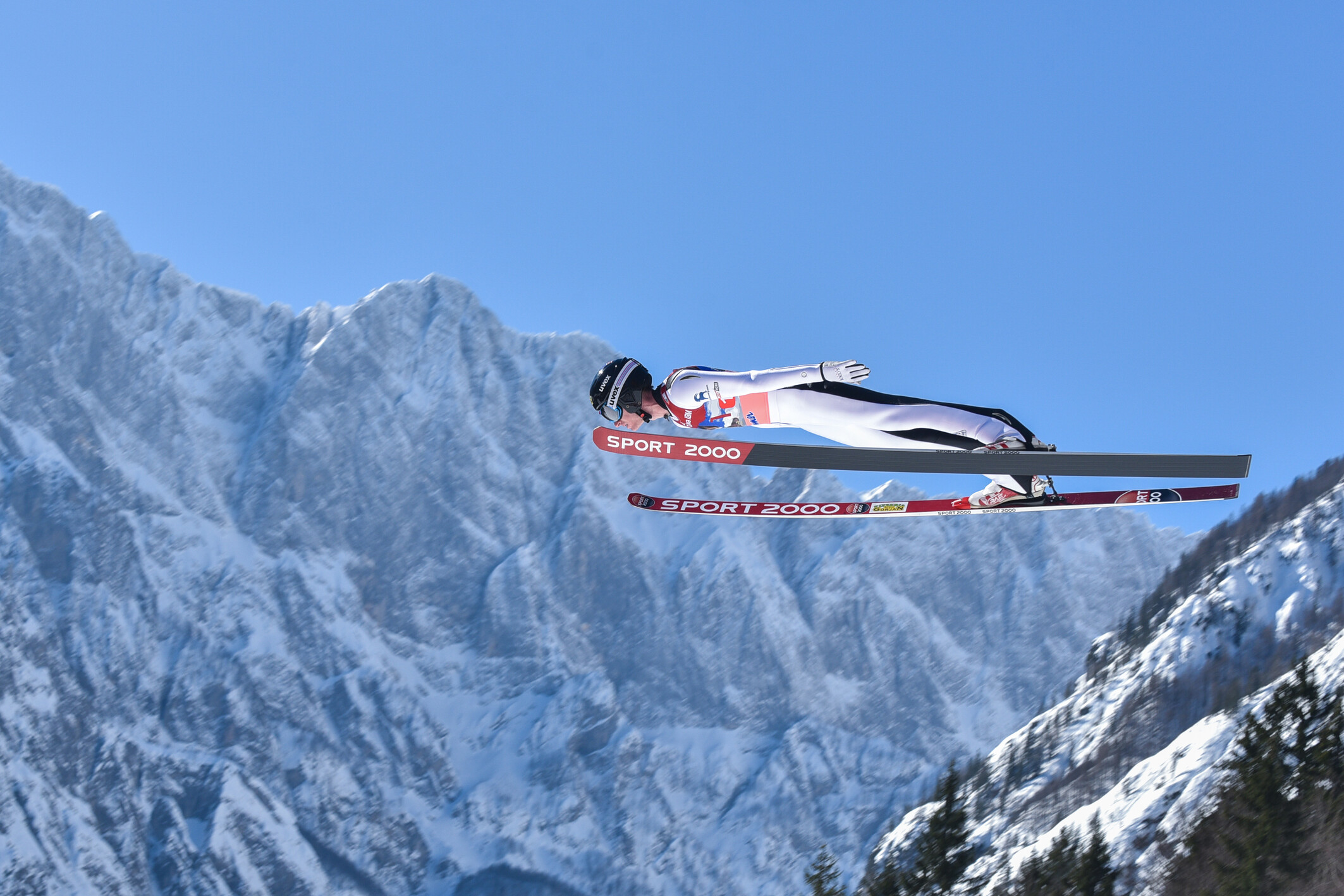
Who is the king of the air? This question is answered year after year in Bischofshofen. The fourth and final event of the Tour on the Paul-Außerleitner ski jump regularly turns into a sporting thriller thanks to the exciting battles for the overall victory. The hill is a natural ski jump with a hill size of 142 m. With a capacity of 25,000 spectators, the ski stadium – named after the first Tour winner, Sepp Bradl – is one of the largest sports venues in Austria. The extraordinary atmosphere at the Epiphany Ski Jumping event makes this closing event extremely popular with both athletes and spectators.
→ Plan your time-out in the Alps and find Bischofshofen offers at SnowTrex
16 and 17 January: Zakopane (Poland)
At hardly any other World Cup venue are ski jumpers celebrated as enthusiastically as in Zakopane. Particularly, when local athletes take to the air, spectators at the Wielka Krokiew natural hill can barely hear themselves speak. As well as an individual competition, the second World Cup stop in Poland – following the team event in Titisee-Neustadt (Germany) in mid-December 2026 – will host the second traditional team competition of the 2026/2027 winter. Alongside the jumpers from the host nation, the favourites include the teams from Germany, Norway, Austria, and Slovenia.
→ Discover Zakopane offers at SnowTrex now
22 to 24 January: Sapporo (Japan)
The longest journey of the year takes the ski jumpers to Japan at the end of January. Specifically, to Sapporo, where the 1972 Winter Olympics were held: the women will compete in two individual events on the Ōkurayama hill (137 m hill size), whilst the men will also jump twice on the large hill here.
29. January to 01 February: Willingen (Germany)
Ski jumping festivities in the Hochsauerland! Competing in a friendly rivalry with Zakopane, the event in Willingen vies every year for the title of the noisiest World Cup venue. At the Mühlenkopfschanze, the crowds cheer on jumps that ski jumpers would otherwise only surpass on ski flying hills. With a hill size of 147 m, the hill in the Hochsauerland is currently the world’s largest ski jump.
→ Discover Willingen offers at SnowTrex now
18 and 21 March: Vikersund (Norway)
The Vikersundbakken, which – along with Planica – is the world’s largest ski flying hill (240 m hill size), will host the first ski flying event of the 2026/2027 World Cup season. On the hill, which the locals reverently refer to as the “Monsterbakken”, the women will each complete one individual flight and the men two.
24 February to 7 March: Falun (Sweden)
In 2027, the highlight of the year for ski jumpers will take place in Falun, Sweden. That’s because the ski jumping competitions of the 56th Nordic World Ski Championships are set to take place here in the Swedish province of Dalarna from 24 February to 7 March! For the first time, the programme in Sweden will feature an equal number of events for men and women: two individual jumps, one team jump and one mixed jump each.
13 and 14 March: Oslo (Norway)
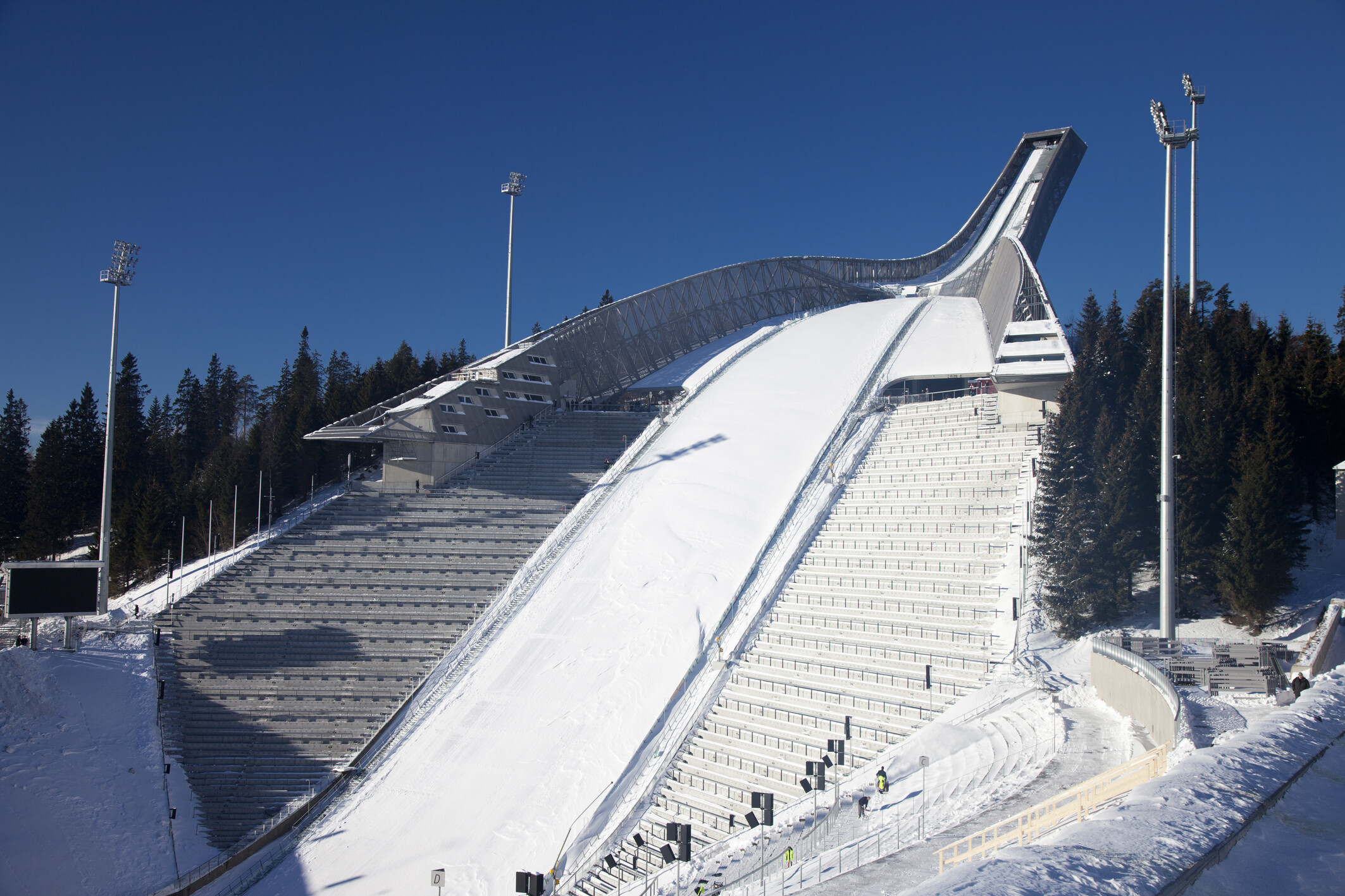
For Nordic skiers, Holmenkollen in Oslo is something of a sacred site. No other competition, at any of the previously mentioned venues on the Ski Jumping World Cup circuit, is steeped in as much legend as the event in Norway’s capital. The sense of awe and anticipation is correspondingly high among the ski jumpers, for whom a single individual competition on the large hill (134 m hill size) is scheduled for the 2026/2027 season. The reward for victory in Oslo is a special one. In addition to the prize money, the top-placed athletes are invited to the royal box following the medal ceremony to meet the King of Norway, Harald V, who is himself considered a great sports fan.
18 to 21 March: Planica (Slovenia)
To round off the 2026/2027 season, the athletes will travel to Planica once again. And, just as in Vikersund – the second time this World Cup season – the focus will not be on ski jumping, as ski flying also has a long tradition in the Julian Alps. At the “Letalnica bratov Gorišek”, the Gorišek brothers’ ski flying hill, the two Slovenian siblings and overall World Cup winners, Domen and Nika Prevc, currently hold not only the hill records but also the men’s and women’s ski flying world records with jumps of 254.5 m and 242.5 m respectively! Incidentally, the battle for the overall World Cup title will be decided in Planica at the latest, as part of two individual ski flying events, which will also finalise the results of the 2026/2027 Ski Jumping World Cup.
FAQs on the Ski Jumping World Cup
When does the 2026/2027 Ski Jumping World Cup begin?
The season opener of the 2026/2027 Ski Jumping World Cup will take place in Lillehammer, Norway, over the weekend of 20–22 November. The world’s best ski jumpers will gather in the host city of the 1994 Winter Olympics to kick off the new competition series.
When will the first normal hill event of the 2026/2027 season take place?
The women’s first ski jumping event on a normal hill in the 2026/2027 season will take place on 29 November in Hinzenbach, Austria, whilst the men’s first and only event on a small hill will be held at the end of February 2027 in Falun, Sweden. This event will decide the gold medals at the Nordic World Ski Championships!
When will the first ski flying event of the 2026/2027 season take place?
The first ski flying event of the 2026/2027 season will take place on the “Monsterbakken” in Vikersund (Norway). The men will compete in two individual events there on one of the world’s largest ski flying hills (240 m hill size). The women also have two ski flying events on the programme for this World Cup season: one on the “Monsterbakken” and another from 18 to 21 March in Planica, Slovenia.
Where will the 2026/2027 Ski Jumping World Cup end?
To bring the FIS Ski Jumping World Cup to a fitting close, the ski jumpers will meet once more from 18 to 21 March in Planica, Slovenia, for the ski flying event.
Where does the Ski World Cup season traditionally kick off?
Between 2016 and 2022, the first competition of the FIS Ski Jumping World Cup took place in Wisla, Poland, for six years. In 2023, the season opener then returned to the traditional Nordic Opening in Ruka (Finland). Following 2024 and 2025, the season will kick off again in 2026 in Lillehammer (Norway), the 1994 Olympic host city.
How long has the Ski Jumping World Cup been running?
The first official season of the Ski Jumping World Cup kicked off in 1979. The very first competition took place on 27 December in Cortina d’Ampezzo, won by the Austrian Toni Innauer. Women, however, were not allowed to compete in their very first official World Cup event until the 2011/2012 season. On 3 December, the American Sarah Hendrickson won the individual competition on the normal hill in Lillehammer.
Where can viewers watch the Ski Jumping World Cup on TV?
Live broadcasts of the Ski Jumping World Cup can be watched in Germany on ARD and ZDF, and, as in the rest of Europe, on Eurosport. Whilst the private sports channel shows all competitions, the public broadcasters in Germany take turns broadcasting their programmes on each World Cup weekend.
How much money do the winners of the Ski Jumping World Cup earn?
Neither the female nor the male winner of the overall Ski Jumping World Cup receives any prize money for first place. Instead, a victory in a men’s World Cup event is worth 15,000 euros. In the women’s competition, the winner of a single event receives 5,000 euros. In winter sports, it is also traditional for the overall World Cup trophies to be made of the finest crystal glass. That is why the best female and male ski jumpers are honoured by the International Ski Federation (FIS) with two large ‘crystal globes’. However, ski jumpers do not derive most of their income from prize money, but from sponsorship deals, some of which are extremely lucrative.

