
Skiing is more than just a sport – it is a passion that draws hundreds of thousands of people to the mountains year after year. Since its beginnings in the 19th century, skiing has developed into one of the most popular leisure activities worldwide. Whether as a competitive sport or a fun family activity, there’s never a dull moment on the slopes. SnowTrex has summarised everything you need to know about equipment, preparation, technique, safety and the history of skiing here.
What is skiing?
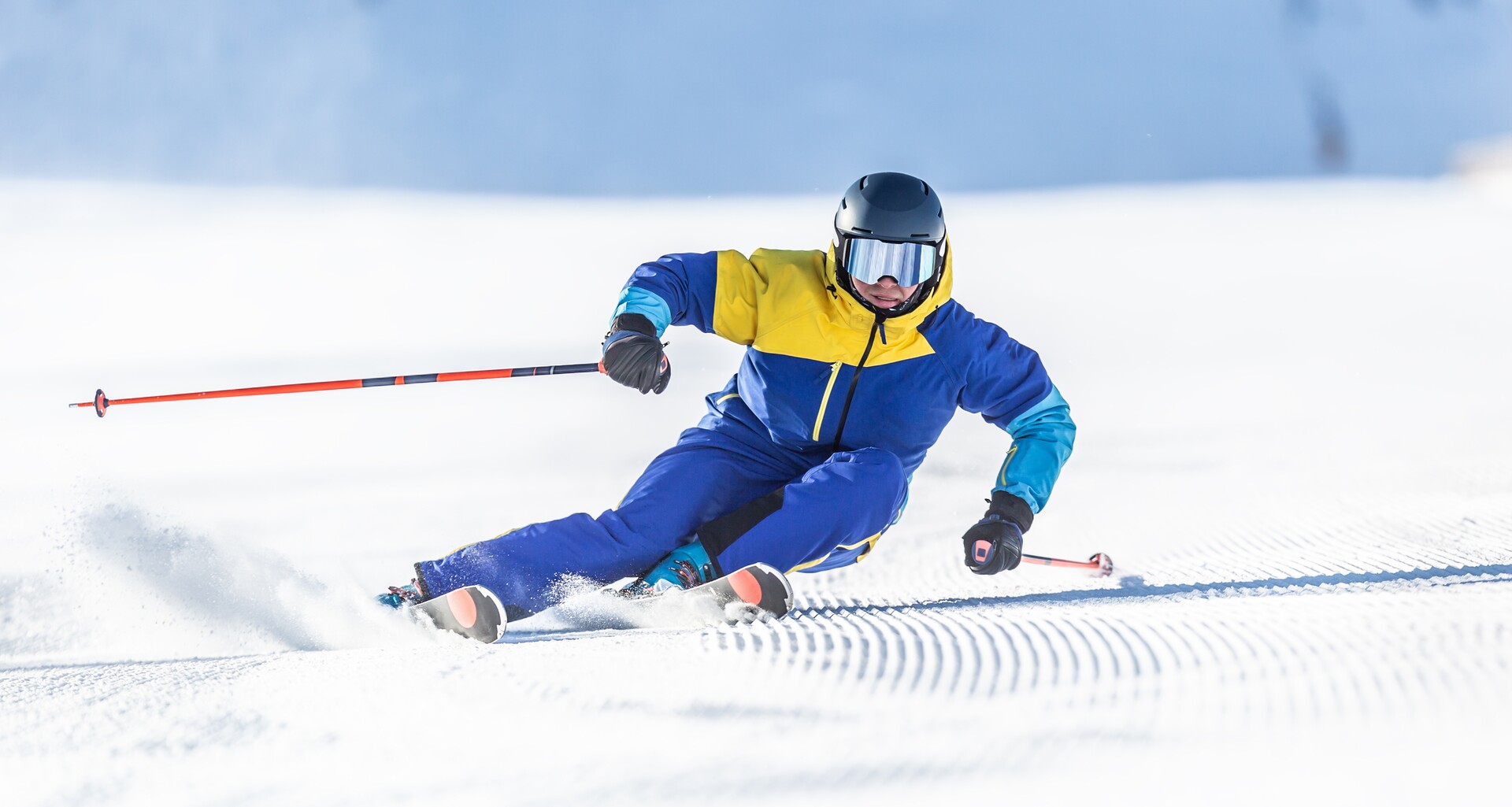
Skiing is a versatile sport that is practised both for leisure and in competition. Originally developed 4,500 years ago in Scandinavia as a means of transport, it became a sport in Norway in the 19th century. Today, skiing is a popular winter sport that attracts millions of people to the mountains every year. It encompasses various disciplines and requires specialised equipment such as skis, ski boots and protective clothing. Skiing not only offers sporting challenges but also health benefits, as it strengthens the cardiovascular system and builds muscle.
History of skiing
As cave paintings show, the history of skiing began around 4,500 years ago in Scandinavia. And whilst skiing was originally a means of transport in snow-covered regions, it developed into a serious sport in Norway during the 19th century. Among the pioneers were Sondre Norheim and Mathias Zdarsky, who revolutionised both skiing technique and equipment.
In the 1890s, skiing gradually spread to the Alps. After the First World War, mass tourism and the opening of numerous ski schools ultimately contributed to the sport’s popularity. In the 1930s, there was a further surge in popularity when ski racing became an Olympic sport and the parallel turn became the norm. By the mid-20th century, skiing had definitively become a mass sport, and ever since, millions of people have been hitting the slopes around the world every year.
Equipment for skiers
Ski equipment
Skis
Skis, as the name suggests, are the centrepiece of any skier’s kit. They vary in length, width and shape, depending on the skier’s style and ability. For example, carving skis are particularly suited to groomed slopes, whilst wider freeride skis are ideal for deep snow. In Europe, there are around 3,400 ski resorts with a total of over 36,000 kilometres of slopes. The length and shape of the skis should always be tailored to individual needs. A classic carving ski is typically between 160 and 180 cm long and has a sidecut that allows for tight turns. For deep-snow skiers, skis with a width of at least 100 mm or more under the binding are ideal.
Ski boots
Good ski boots ensure stability, safety and comfort on the slopes. They should therefore fit well and enclose the foot firmly to ensure optimal power transfer to the skis. After all, the right fit of your ski boots is crucial for enjoying your skiing. The most important characteristic of a ski boot is its flex, i.e. its stiffness. The scale starts at 60 for the most flexible ski boots and goes up to 140 for the stiffest. A common model for advanced skiers has a flex rating of 90 to 130, as this provides sufficient support for more demanding skiing techniques.

Please also note that by using our services and integrating the YouTube API Services, the YouTube Terms of Service and the YouTube API Services Terms apply and your use of our website is deemed to be acceptance of these terms.
Ski poles
Ski poles help you maintain your balance on the slopes and make it easier to push off on flat sections. They should be adjusted to suit your height. An important guideline is that the angle between your upper and lower arm should be around 90 degrees when the poles are held upright. Most poles are made of aluminium or carbon, which makes them lightweight yet sturdy. High-quality models feature ergonomically shaped grips and adjustable straps for added comfort.
Ski clothing
Ski clothing consists of several layers: functional base layers, an insulating layer and a waterproof outer layer. It protects against the cold and wet and should be breathable. Modern materials such as Gore-Tex and Thinsulate offer optimum protection in all weather conditions. On average, skiers spend around 300 euros a year on ski clothing to ensure they are optimally equipped on the slopes. A typical ski jacket has a water column rating of at least 10,000 mm, making it waterproof and windproof. Good ski trousers should have similar properties and also feature reinforced knee and seat panels.
Safety equipment
Ski helmet
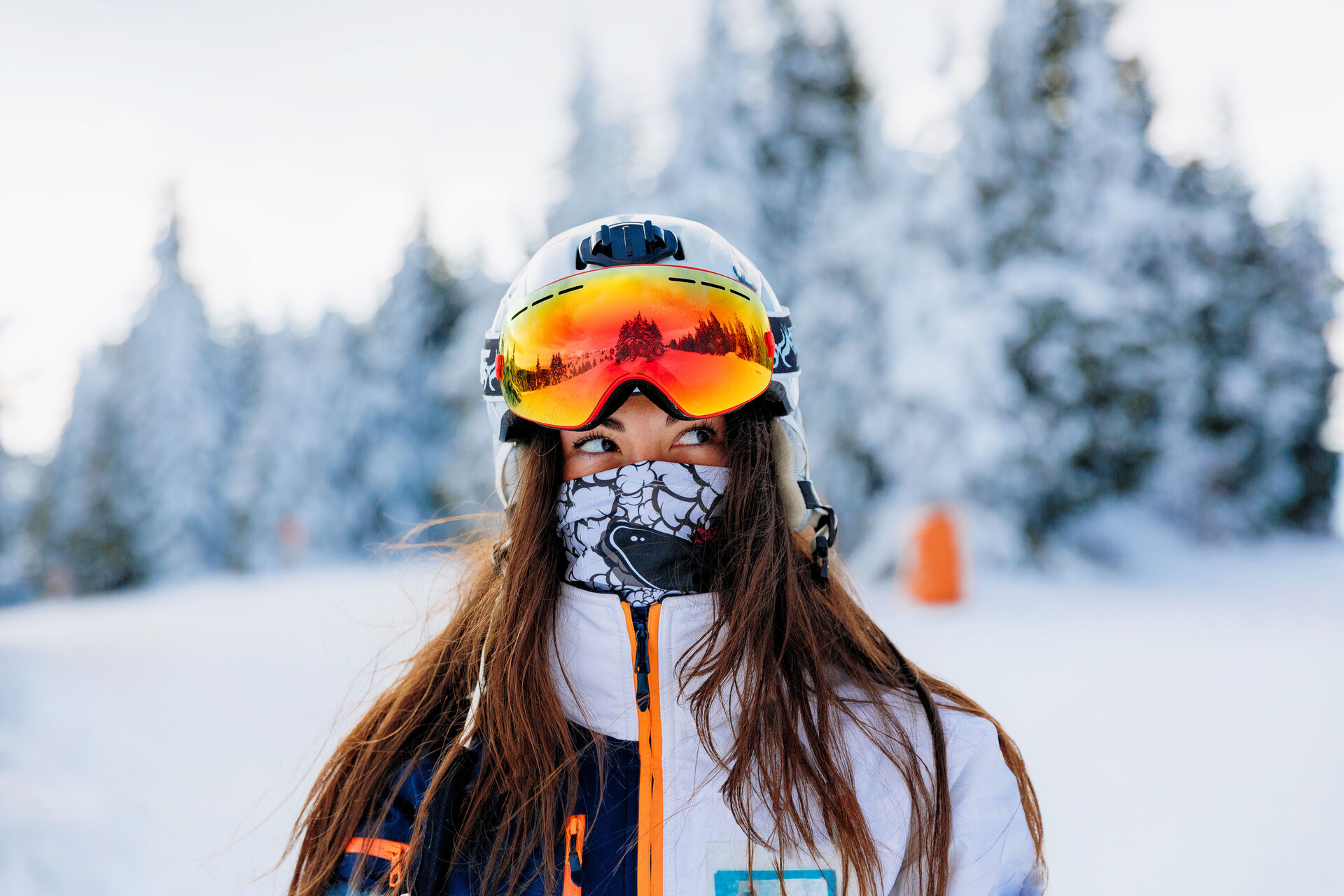
A ski helmet protects the head from injury and should always be worn. Statistics show that over 85 per cent of skiers now wear a helmet on the slopes, which has led to a significant reduction in the number of head injuries. Helmets are available in various sizes and designs and must fit perfectly to provide optimum protection. A high-quality helmet has a hard-shell or in-mould construction and is often fitted with an adjustable ventilation system that can be adapted to the prevailing conditions.
Ski goggles
Skigoggles protect the eyes from UV radiation, wind and snow. They should fit well and not fog up. Ski goggles with polarised lenses offer additional protection against glare and improve visibility in difficult conditions. The right model not only ensures clear vision but also increases safety on the slopes. Modern ski goggles now also feature special interchangeable lenses for different light conditions and an anti-fog coating for clear vision. Popular models also feature a ventilated frame that prevents the lenses from misting up.
Back protector
Back protectors safeguard the spine in the event of a fall on the slopes and are recommended not only for keen skiers. This safety equipment is particularly popular amongst freeriders and on mogul runs. Back protectors are available in various designs and should fit comfortably and snugly. They provide additional protection, which is essential, particularly for higher-risk skiing styles. A high-quality back protector is made from flexible materials that adapt to the body’s movements and offer protection in accordance with the ‘EN 1621-2’ standard.
Skiing techniques and technologies for winter sports enthusiasts
Basic skiing techniques
Snow plough
The snow plough is one of the basic skiing techniques that helps beginners in particular – whether children or adults – to learn and master skiing. This technique enables you to control your speed and make your first turns safely. The snowplough is the foundation of the parallel turn and should be mastered by every beginner when skiing. This technique is frequently taught in ski lessons and is mainly effective on flat to moderate slopes.
Parallel turn
The parallel turn allows for faster and more precise turning and is the next step after the snowplough. This technique improves stability and control on the piste and is practised by all advanced skiers. Parallel skiing requires good posture and balance. The correct technique involves distributing your weight evenly across both skis and turning the skis in a controlled manner using your legs and hips.
Advanced skiing techniques
Carving
Carving involves using the edges of the skis to make precise and fast turns on groomed slopes. This technique requires specialised carving skis, which have a narrower waist and pronounced edges. Carving enables dynamic and fast skiing, which is particularly enjoyable on wide slopes. Advanced carvers also master tight turns at high speed by making full use of the ski edges.
Mogul run
Skiing onmogul runsrequires skill and good technique to master the uneven terrain. This technique is particularly challenging and is favoured by advanced skiers. Mogul runs demand a high degree of control and quick reactions. The skier must keep their knees flexible whilst descending and make small, controlled movements to navigate the bumps.
Deep snow
Skiing indeep snowis an unrivalled experience away from the groomed runs and requires specialised techniques and equipment. Wider skis with a rocker profile are ideal for freeriding in deep snow. This equipment allows you to glide through untouched snow and experience nature in its purest form. Skiing in deep snow requires good balance and an adapted skiing technique, where the skis are kept close together and weight is shifted evenly to prevent sinking into the deep snow.

Ski technologies and innovations
Ski Shapes and Constructions
Modern skis vary in shape and construction to suit different riding styles. Rocker and camber profiles are particularly popular. Today, skiers can choose from a wide range of models from ski manufacturers, designed specifically for carving, freeriding or park riding. New materials such as carbon and Titanal improve the stability and, above all, the weight of the skis. These materials offer an optimal combination of lightness and robustness, which is particularly important for fast and dynamic skiing styles.
Binding systems
Binding systems connect the ski boot to the ski and ensure safety. Modern ski bindings are easy to adjust and enable optimum power transfer. Bindings are also important for preventing injuries, as they release in the event of a fall or excessive strain, separating the ski boot from the ski. A good ski binding can always be fully and completely customised to the skier’s weight, height and skiing style.

Please also note that by using our services and integrating the YouTube API Services, the YouTube Terms of Service and the YouTube API Services Terms apply and your use of our website is deemed to be acceptance of these terms.
Safety and rules of conduct on the slopes
Skiing as a high-risk sport
Due to the speeds reached on the slopes, skiing is and remains a high-risk sport; therefore, safety rules in the ski resort are of the utmost importance when skiing. Having the right equipment and adhering to the rules of conduct ultimately minimise many risks. And it is precisely responsible behaviour that contributes significantly to the safety of all skiers. According to a study by the International Ski Federation (FIS), around 600,000 skiing accidents occur worldwide every year, most of them caused by collisions or falls. Protective gear and careful skiing can significantly reduce the risk of accidents and, consequently, painful skiing injuries.
Preparing for the slopes
Fitness training
Good physical fitness is essential for skiing and is one of the most important tips. Regular training strengthens the muscles and improves stamina. Around 60 per cent of skiers prepare for the start of the winter season with targeted fitness exercises or ski gymnastics. Exercises such as squats, lunges and core training are particularly effective. Targeted training can ultimately boost performance and prevent injuries. A comprehensive training programme should also include exercises to improve balance and coordination, such as standing on one leg or balance board training.
Warming up and stretching
Warming up before skiing is also important to prevent injuries. At the start of a day on the slopes, stretching exercises loosen up the muscles and prepare the body for the physical demands ahead. A well-structured warm-up routine should last at least ten minutes and target all major muscle groups with dynamic stretching exercises such as lunges and arm circles. Studies show that warmed-up muscles are less prone to injury.

Takeweather and snow conditionsinto account
Weather and snow conditions have a major impact on skiers. They should therefore always check the weather forecast before setting off on the slopes. This is particularly important in high-altitude ski resorts such as the Alps, where weather conditions can change rapidly. Well-informed skiers are ultimately better able to react to changing conditions and adjust their equipment accordingly whilst skiing. A good weather forecast provides information on temperature, wind speed, snowfall and avalanche risk. Many ski resorts also offer special apps that deliver up-to-date information directly to your smartphone.
Rules of conduct on the slopes
Consideration for other skiers
Consideration and mutual respect on the slopes are essential to prevent skiing accidents. Every skier must adapt their skiing style to the conditions and the skiing style of others on the mountain. The FIS rules of conduct, which set out ten principles for behaviour on the slopes, provide important guidance. These include skiing in a controlled manner, skiing within your field of vision and giving way to others.

Rules of right of way
There are clear rules of right of way on the slopes that every skier should be aware of. Skiers approaching from behind must pass skiers ahead of them at a safe distance. Particular caution is also required at junctions and narrow sections. Here, every skier must always choose their speed and line so as not to endanger others. Adhering to the right-of-way rules therefore contributes significantly to safety on the slopes.
Speed control
To ski safely, speed must always be adjusted and controlled. It is particularly important to maintain an appropriate speed in areas with heavy traffic or poor visibility. Skiers should always be able to stop within their field of vision. The FIS rules explicitly emphasise that speed must be adapted to one’s own ability, the slope conditions and the density of traffic.
Safety measures in the event of accidents and emergencies
First aid on the slopes
Basic first-aid skills can be crucial in an emergency. Every skier should know what to do in the event of an accident. A first-aid kit is part of the standard equipment. In addition, basic knowledge of how to treat injuries, such as applying a pressure bandage or placing someone in the recovery position, is helpful.
Emergency services and mountain rescue
Mountain rescue is quick to respond in an emergency and should be contacted immediately in the event of an accident. Skiers are, without question, advised to always have emergency numbers and important contacts to hand. Good preparation and knowledge of local emergency services increase safety. Many ski resorts also offer specialist rescue services that are tailored to the specific demands of alpine terrain.

Skiing as a sport and leisure activity
Health benefits of skiing
Skiing strengthens the cardiovascular system, improves muscle strength and enhances coordination. It is an excellent way to keep fit in winter and enjoy the great outdoors. Regular skiing can significantly improve your well-being and general health. Studies have shown that skiing can reduce the risk of cardiovascular disease and has a positive effect on mental health. It also improves balance and flexibility.
Skiing as a competitive sport
Alpine Ski Racing
Alpine ski racing comprises the disciplines of downhill, super-G, slalom and giant slalom. Numerous races take place worldwide every year, in which the world’s best skiers compete. The best-known competitions are the Winter Olympics, which take place every four years, and the Alpine Ski World Cup, featuring highlights such as the Hahnenkamm Downhill in Kitzbühel, the Lauberhorn Race in Wengen and the giant slalom on the glacier in Sölden. Alpine ski races demand a perfect combination of technique, speed and a willingness to take risks from the athletes.

Please also note that by using our services and integrating the YouTube API Services, the YouTube Terms of Service and the YouTube API Services Terms apply and your use of our website is deemed to be acceptance of these terms.
Freestyle skiing
Freestyle skiing combines tricks and jumps and is particularly popular amongst young skiers. In spectacular disciplines such as halfpipe, slopestyle and big air, the athletes put on spectacular displays that demand a high level of technical skill. These events are now part of the X Games and the Winter Olympics. Freestyle skiing is characterised by creativity and versatility and has a rapidly growing fan base worldwide.
Ski jumping
Ski jumping is a spectacular discipline in which athletes make long jumps from specially prepared hills. This discipline requires courage, technique and precise timing. Ski jumping has a long tradition and is particularly popular in countries such as Austria, Germany and Norway. The best-known events are the Four Hills Tournament and, once again, the Winter Olympics.
Skiing as a leisure activity for the whole family
Skiing is fun for all age groups and is an ideal activity for a family holiday. Many ski resorts offer special programmes and slopes for children and beginners, so that the whole family can enjoy skiing together. Children’s ski schools and supervised practice areas ensure that even the youngest children can learn to ski safely and have lots of fun. Family-friendly ski resorts in the Alps, such as the Wildkogel-Arena, the Seiser Alm or Arosa-Lenzerheide, often offer additional activities such as toboggan runs, snowshoeing and indoor play areas.
FAQ on skiing
Which skis are best suited to which skiing style?
Carving skis are ideal for groomed slopes and, thanks to their narrow waist, allow for precise turns. Freeride skis, on the other hand, offer more float in deep snow and are wider to maintain balance on uneven terrain. All-mountain skis combine both characteristics and are suitable for changing conditions. It is important to match the length and shape of your skis to your individual ability and preferred slope conditions.
How important is the right fit for ski boots?
A good fit for your ski boots is crucial for stability, safety and comfort on the slopes. A well-fitting ski boot transfers movements precisely to the ski and prevents pressure points. The flex rating – that is, the stiffness of the boot – should be adapted to your skiing ability and style. Individual adjustments to the ski boot can further optimise comfort and control.
How did the history of skiing begin?
Skiing has its roots in Scandinavia some 4,500 years ago, where it was originally used as a means of transport. In the 19th century, skiing developed into a national sport in Norway, shaped by pioneers such as Sondre Norheim and Mathias Zdarsky. Their innovations in skiing technique and equipment laid the foundations for modern skiing. This development ultimately led to the spread of skiing throughout the Alps and other regions.
What is the significance of famous ski races?
Ski races such as the Hahnenkamm Downhill in Kitzbühel and the Ski World Cup are key events in alpine skiing. Here, the world’s best skiers can demonstrate their skills under extreme conditions. Such races are not only sporting highlights but also social events that attract global attention. They play a key role in popularising skiing and promoting interest in winter sports.
Why is a ski helmet so important?
A ski helmet is essential for safety on the slopes, as it significantly reduces the risk of serious head injuries. Modern helmets are made from lightweight, robust materials and offer both protection and comfort. They often feature adjustable ventilation systems and an ergonomic design that enhances comfort. The right fit is important to ensure maximum protection, so the helmet should sit snugly but not be uncomfortable.
What is the parallel turn and why is it important?
The parallel turn is an advanced skiing technique that enables skiers to make precise and controlled turns. Unlike the snowplough, the skis remain parallel, resulting in greater stability and speed. This technique forms the basis for many other skiing styles and is taught in ski lessons to facilitate the transition to more challenging skiing techniques. The parallel turn enables more efficient and safer skiing on steep slopes.
What are the health benefits of skiing?
Skiing is not only an exciting sport, but also offers significant health benefits. It strengthens the cardiovascular system, improves muscle strength and enhances coordination. Exercising in the fresh air also has a positive effect on the immune system and mental health. Regular skiing can reduce the risk of cardiovascular disease and helps to improve balance and mobility. Furthermore, exercising in the fresh air contributes to a general sense of well-being.

