
Winter offers plenty of opportunities to get active. Some prefer precision skiing, others enjoy laid-back snowboarding, whilst others prefer a leisurely snowshoe hike or a toboggan ride. But as a snow enthusiast, which type of winter sports person are you really? Reason enough for SnowTrex to introduce the nine most diverse winter sports and offer a ‘decision-making guide’.

Skiing
The sport at a glance
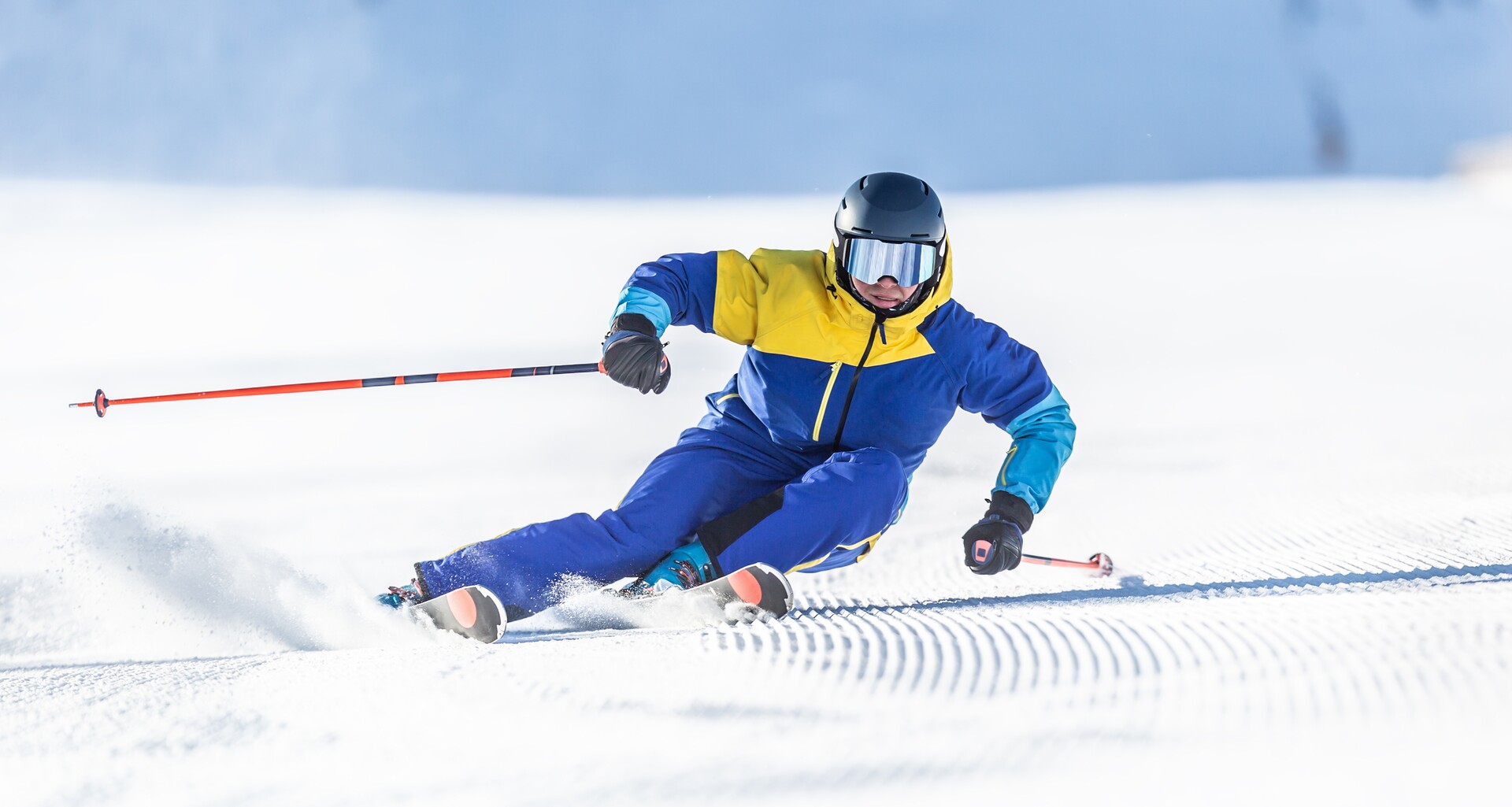
Skiing is one of the most traditional winter sports of all. Skis were developed 4,500 years ago in Scandinavia as a means of transport, before the sport became popular in Norway in the 19th century. Today, skiers descend groomed slopes in ski resorts all over the world, whilst enjoying breathtaking mountain panoramas. Skiing offers plenty of variety for beginners and professionals alike, whether on gentle family runs or challenging black runs.
Special features and techniques
The basic technique of alpine skiing is based on the parallel turn, in which both skis are kept parallel. Advanced skiers also master carving techniques, made possible by the sidecut shape of modern skis.
Equipment required
- Alpine skis with bindings
- Ski boots
- Ski poles
- Ski helmet (highly recommended)
- Ski goggles
- Functional clothing (waterproof jacket and trousers)
- Gloves
- Back protector (optional)
Type of winter sport: Sporty and downhill-oriented
Skiers are characterised by their enthusiasm for speed and precise technique, and appreciate well-groomed slopes, the sporting challenge, as well as a sociable après-ski atmosphere.
Snowboarding
The sport at a glance
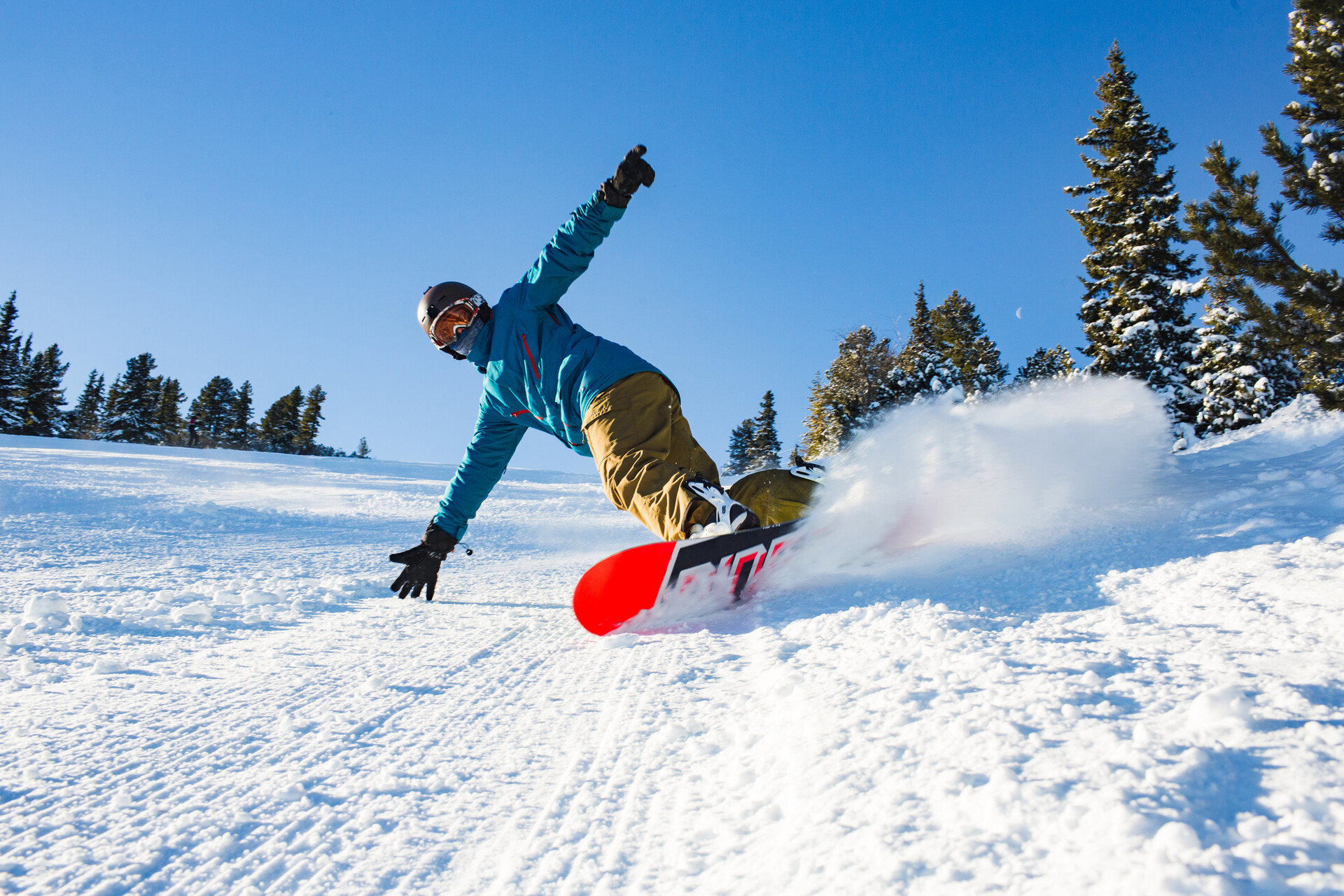
Since the 1980s, snowboarding has become one of the most popular winter sports of all. In this sport, the rider stands on the board with both feet perpendicular to the direction of travel and then glides down the slopes in ski resorts just like a skier, although many snowboarders also feel at home freeriding in deep snow. After all, this sport – originally inspired by surfing – offers a very special sense of freedom.
Special features and techniques
Snowboarding differs fundamentally from skiing due to the body position, which is perpendicular to the direction of travel. A distinction is made between two riding styles: frontside (facing the slope) and backside (with your back to the slope). Freestyle snowboarders also thrill spectators with spectacular jumps and tricks in snow parks, which they can perform, for example, in the Flims-Laax-Falera ski resort (188 km of slopes) in the world’s largest halfpipe.
Equipment required
- Snowboard with bindings
- Snowboard boots (soft boots or hard boots)
- Helmet
- Snow goggles
- Functional clothing
- Gloves
- Protective gear (recommended)
Type of winter sport: Freestyle and creative
Snowboarders are considered creative and freedom-loving. Accordingly, they are not afraid of deep snow runs or fun parks where jumps and tricks can be practised, as well as groomed slopes.
Ski touring
The sport at a glance
Ski touring offers a unique way to combine the physical challenge of the mountains with the experience of nature. In this winter sport, you use special touring skis to climb the mountains under your own steam, before descending through untouched deep snow.
Special features and techniques
The ascent is particularly demanding in ski touring, requiring special techniques and good physical fitness. Climbing skins attached to the skis prevent you from sliding backwards. During the subsequent descents, the appropriate skiing technique in deep snow is, of course, also required. Popular regions for ski touring include the glaciers and deep-snow fields around the Chamonix ski area (172 km of slopes) with views of the 4,806 m high Mont Blanc.

Equipment required
- Touring skis with specialised touring bindings
- Climbing skins
- Touring ski boots
- Telescopic ski poles
- Avalanche safety equipment (avalanche transceiver, probe, shovel)
- Rucksack with emergency kit
- Functional clothing layered according to the ‘onion principle’
- Helmet and ski goggles
Type of winter sport: Nature-loving and resilient
Ski tourers are typically nature-loving endurance athletes who value sustainability. They appreciate the tranquillity of the mountains away from busy slopes and the physical challenge of ascending through deep snow.
Cross-country skiing
The sport at a glance
Cross-country skiing is one of the healthiest and gentlest winter sports on the joints. In this Nordic discipline, cross-country skiers glide on narrow skis with their heels free along groomed trails through wintry landscapes. This winter sport exercises virtually all muscle groups and the cardiovascular system.
Special features and techniques
In cross-country skiing, a distinction is made between two basic techniques: The classic style, where skiers follow parallel tracks, and skating, which uses a technique similar to ice skating. Both styles require different equipment and trails. One of the most famous cross-country skiing regions in the Alps is located around the Olympiaregion Seefeld ski area in Tyrol, with 256 kilometres of trails!

Equipment required
- Cross-country skis (classic or skating)
- Cross-country boots
- Cross-country poles
- Functional clothing (lighter than for alpine skiing)
- Gloves
- Hat or headband
- Sunglasses
Type of winter sport: Endurance-oriented and technical
Cross-country skiers are typically endurance-oriented athletes with a flair for technique who love the combination of physical challenge and gliding through snow-covered winter landscapes.
Biathlon
The sport at a glance
Biathlon combines cross-country skiing with precision shooting, placing particular demands on endurance and concentration. After intense periods of skiing, it is not only the world’s best athletes competing in the Biathlon World Cup who must keep their heart rate under control in order to fire accurate shots at targets 50 metres away.
Special features and techniques
The challenge of biathlon lies in the combination of the high physical exertion of cross-country skiing and the subsequent need for calm when shooting. Biathletes must hit the target both whilst lying down and whilst standing. At well-known competition venues such as Anterselva in South Tyrol or Oberhof in Thuringia, biathlon courses for beginners and biathlon camps are also offered. (The following video is originally in Germany but has English dubbing available.)

Please also note that by using our services and integrating the YouTube API Services, the YouTube Terms of Service and the YouTube API Services Terms apply and your use of our website is deemed to be acceptance of these terms.
Equipment required
- Cross-country skis
- Cross-country boots and poles
- Specialised rifle (small-bore rifle or laser rifle for beginners)
- Functional clothing
- Shooting gloves
Type of winter sport: A combination of endurance and precision
Biathletes combine endurance with mental resilience. The typical biathlete is disciplined, highly focused and able to switch quickly between intense physical exertion and complete calm.
Ski Jumping
The sport at a glance
Ski jumping is one of the most spectacular winter sports of all. After all, in events such as the Four Hills Tournament or the Ski Jumping World Cup, jumpers glide down the inrun of special ski jumps to take off at the take-off table and glide as far as possible through the air. After landing, judges then assess the distance and style.
Special features and techniques
The technique of ski jumping has evolved significantly over the years. Today, jumpers use the V-style, in which the skis are held in a V-shape during the flight. This enables longer jumps thanks to improved aerodynamics. Famous ski jumps can be found in Garmisch-Partenkirchen and Oberstdorf, as well as in Bad Mitterndorf (Tauplitz), where there are also ski jumping schools for beginners.

Please also note that by using our services and integrating the YouTube API Services, the YouTube Terms of Service and the YouTube API Services Terms apply and your use of our website is deemed to be acceptance of these terms.
Equipment required
- Specialised ski jumping skis (significantly longer and wider than normal skis)
- Ski jumping suit (strictly regulated)
- Ski jumping boots
- Helmet
- Ski goggles
- Gloves
Type of winter sport: Daring and spectacular
Ski jumpers are characterised by their courage, body control and a keen sense of balance and aerodynamics. They combine technical understanding with the necessary dose of daring.
Tobogganing
The sport at a glance
Tobogganing is one of the most accessible winter sports and appeals to young and old alike. On wooden or plastic toboggans, participants hurtle down toboggan runs in ski resorts – some of which are spectacular – offering breathtaking views of the surrounding mountain landscapes. From a leisurely family outing to high-level competitive sport on artificial tracks, tobogganing also offers a range of intensity levels.
Special features and techniques
In natural tobogganing, the sledge is steered by shifting your weight and using your feet as brakes. In competitive sport, special techniques are used to ensure optimal line control. For amateurs, many ski resorts now offer specially prepared toboggan runs, such as the 11 km-long ‘Big Pintenfritz’ toboggan run in Grindelwald or the world’s longest illuminated toboggan run at 14 km in the Wildkogel-Arena ski resort.

Equipment required
- Toboggan/sledge (wooden or plastic)
- Helmet (highly recommended)
- Sturdy winter boots
- Warm, waterproof clothing
- Gloves
- Ski goggles (for high speeds)
Type of winter sport: Adrenaline and speed
When tobogganing, winter sports enthusiasts appreciate the thrill of riding at breakneck speeds, which can be enjoyed quickly without a long learning curve. Those who venture onto a toboggan are considered adventurous, enjoy adrenaline rushes, but also appreciate the social aspect of this winter sport.
Snowshoeing
The sport at a glance
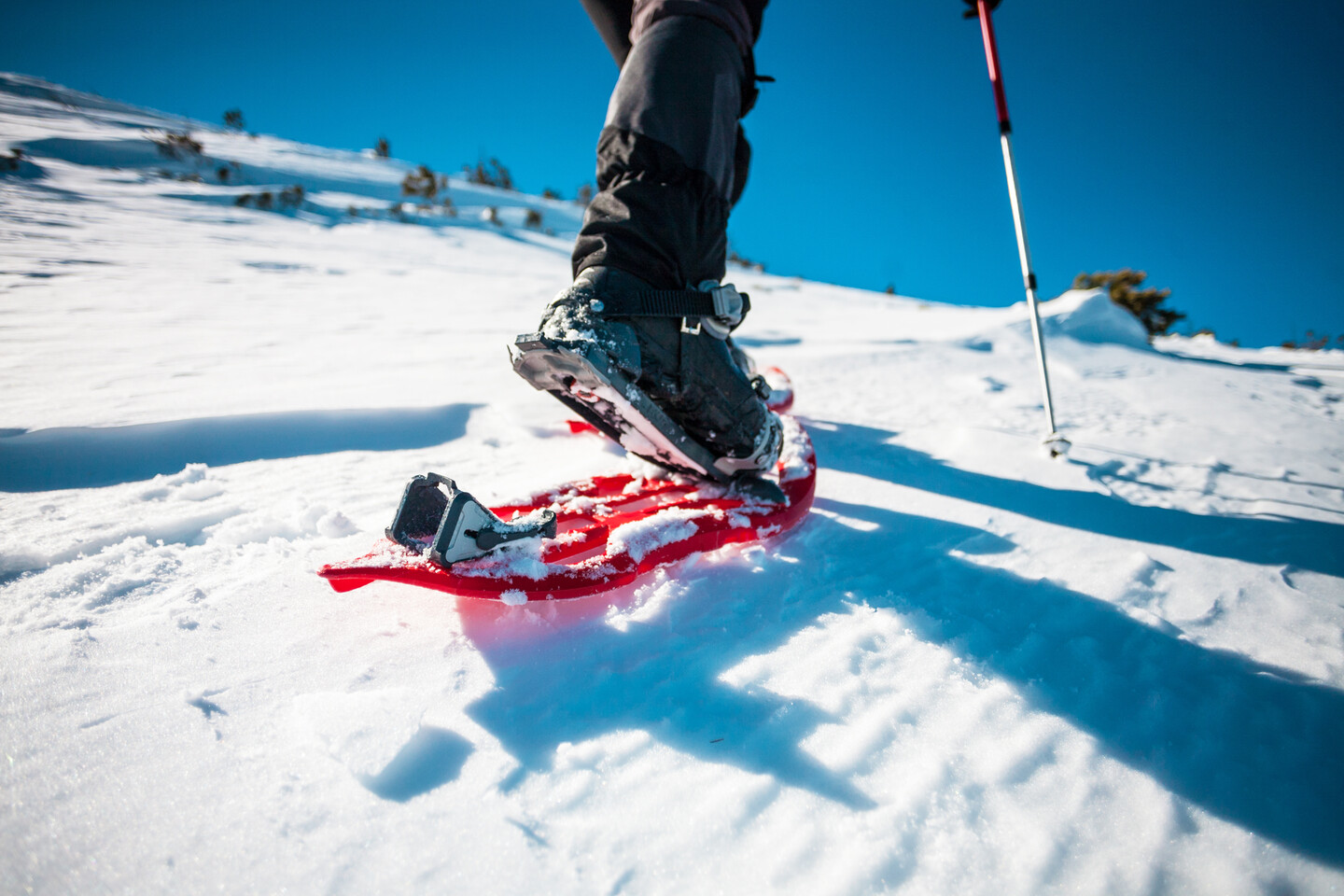
Snowshoeing allows winter sports enthusiasts to explore snow-covered winter landscapes away from groomed trails. The wide snowshoes distribute body weight over a larger surface area, preventing you from sinking into deep snow. What’s more, this winter sport is particularly beginner-friendly.
Special features and techniques
The technique for snowshoeing is relatively easy to learn, as this winter sport is essentially not much different from normal walking, just with a slightly wider stride. For ascents, there are special walking techniques and the support of telescopic poles.
Equipment required
- Snowshoes
- Telescopic poles
- Sturdy, waterproof winter boots
- Functional clothing layered according to the ‘onion principle’
- Rucksack with drinks and snacks
- Avalanche equipment may be required for alpine terrain
Type of winter sport: Nature-loving and relaxed
Snowshoe hikers love unspoilt winter landscapes. After all, they typically value a slower pace and immersive experiences of nature, which are abundant in the mountains in deep snow, away from the busy ski resorts.
Ice skating
The sport at a glance
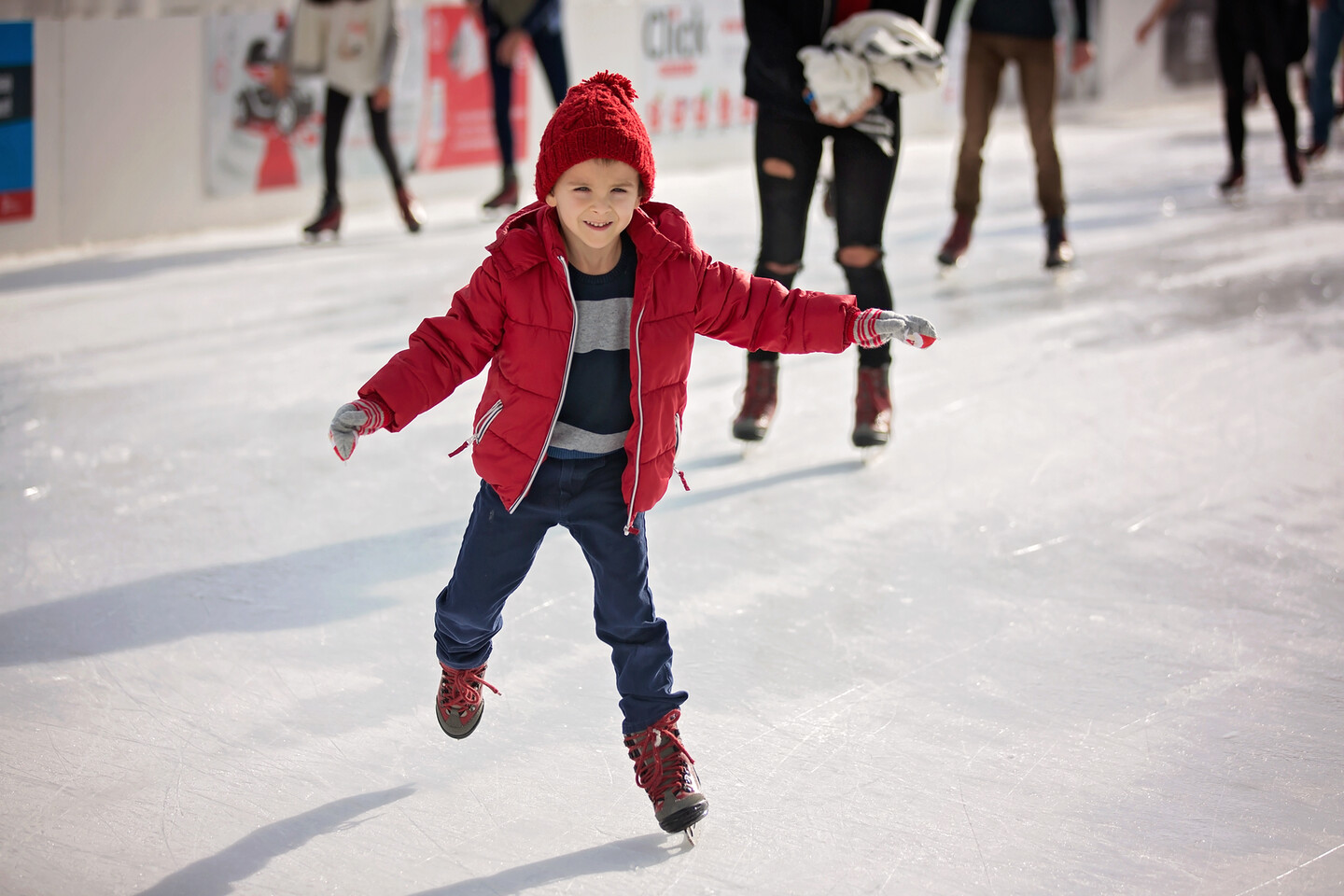
For ambitious winter sports enthusiasts, ice skating combines physical activity with elegance and rhythm. It involves taking to the ice on frozen lakes or artificial rinks wearing special skates. From a leisurely spin for beginners to competitive figure skating for professionals, this winter sport offers plenty of opportunities to let off steam on the ice.
Special features and techniques
Anyone wishing to master the basic techniques of ice skating must learn not only how to glide forwards and backwards, but also how to take corners. In figure skating, challenging jumps and pirouettes are added to the mix, which can be taught by experienced coaches. Beginners can also use a skating aid to hold on to for their first few laps on the ice until they are steady on their skates.
Equipment required
- Ice skates
- Warm, comfortable clothing
- Gloves
- Hat or helmet (especially for beginners)
- Thick socks
Type of winter sport: Elegant and dynamic
Rhythmic movement and graceful gliding across the ice. This is how ice skaters imagine their favourite winter sport, which thrives on both the athletic challenge and the aesthetic element.
Alternative winter sports
During the cold season, snow enthusiasts in the mountains can discover other, alternative winter sports alongside the ‘classics’ such as skiing or snowboarding. For those seeking new ways to enjoy the snow, snowkiting is the perfect alternative. And for anyone who likes things even faster and more dynamic, snow biking is a real option. You can also get the ultimate adrenaline rush in the snow with airboarding, hurtling down the slope on an air-filled board. Things are a bit more laid-back, however, with ice diving in frozen lakes or fat biking along winter trails on extra-wide tyres.
FAQ’s on winter sports
Which winter sport is best suited to beginners?
Snowshoeing and tobogganing are particularly recommended for beginners, as both sports offer a sense of achievement without requiring a long learning curve. Cross-country skiing using the classic technique or first attempts on the ice can also be suitable for beginners. For downhill skiing and snowboarding, a course with qualified instructors is recommended.
What equipment is essential for winter sports?
The equipment varies depending on the winter sport. For skiing, you naturally need skis, ski boots, ski poles, a helmet and ski goggles. If you want to go snowboarding, on the other hand, you naturally need a snowboard, snowboard boots, a helmet and snowboard goggles. And if you’re drawn to the cross-country trails, you can’t do without cross-country skis, boots and poles, whilst ice climbers need special ice climbing gear including crampons and an ice axe.
Which winter sport burns the most calories?
Cross-country skiing and biathlon are among the winter sports where you can burn the most calories. Depending on the intensity, the body can burn between 600 and 900 calories per hour. Ski touring is also very effective, burning 700 to 800 calories per hour. Skiing and snowboarding can also burn around 400 to 600 calories per hour.
What is the best way to prepare physically for the upcoming winter sports season?
Targeted preparation for the upcoming winter sports season includes endurance training (running, cycling), strength exercises for the legs and core, as well as balance and coordination training. Ideally, preparation should begin around 8 to 12 weeks before the first day of winter sports. Specialised ski fitness courses offer targeted training for the relevant muscle groups.
What specific safety precautions should be taken when practising winter sports?
When practising winter sports, your own safety should always be your top priority. This includes wearing a helmet, observing the rules on the slopes, wearing the correct protective equipment, adjusting your speed to your ability, heeding warning signs and avoiding risky behaviour. It is also advisable to take out winter sports insurance.

