
For winter sports enthusiasts, one of the best things about the current ski season is the anticipation of the one to come. One reason for this is that 2025 will once again be shaped by numerous exciting ski trends that enhance comfort, style, sustainability and performance both on and off the slopes. SnowTrex has now summarised the innovations the winter sports community can expect and highlights the latest ski trends.
Ski clothing is becoming more practical and functional
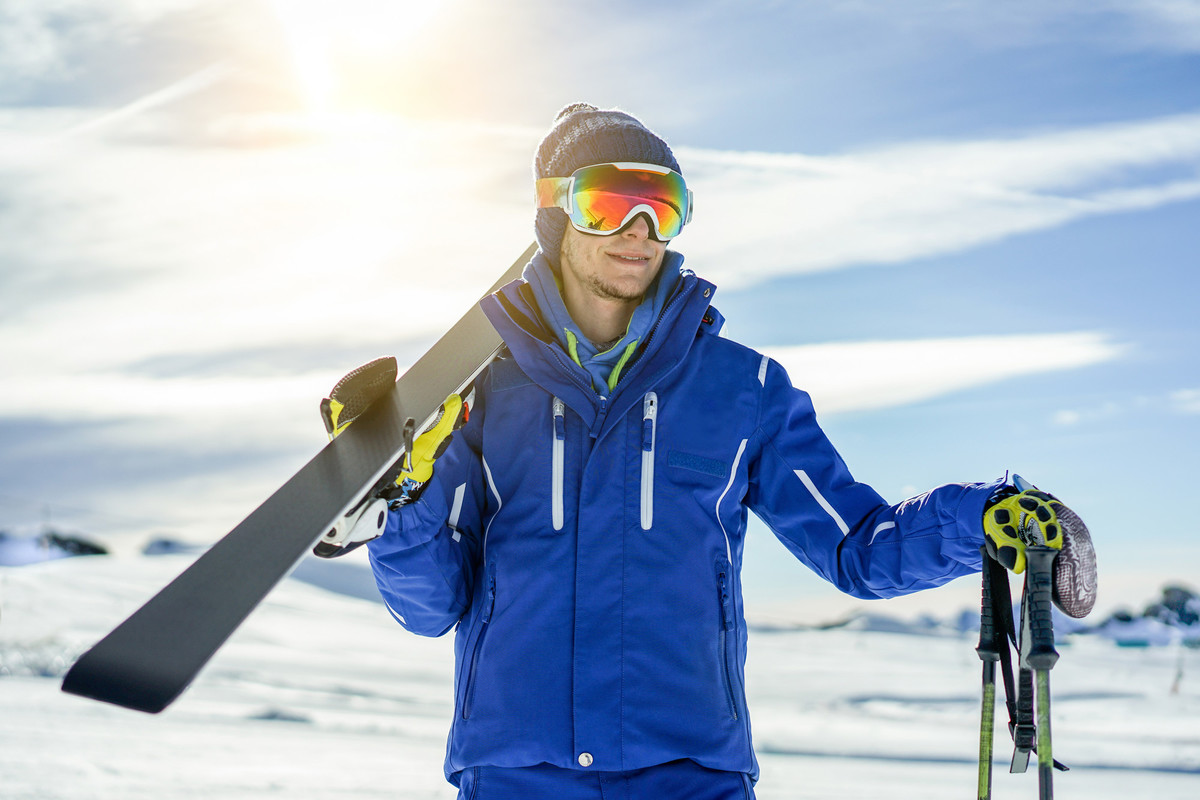
As part of the development of ski trends for 2025, winter sports clothing is becoming not only more functional, but also more practical, fashionable and environmentally sustainable. To achieve this, clothing manufacturers are combining greater comfort for winter sports enthusiasts with enhanced functionality. For instance, nanotechnology is being used to produce increasingly durable fibres that make winter sports clothing particularly water- and weather-resistant. At the same time, new membranes ensure improved breathability and innovative insulation materials provide optimal thermal performance. To ensure skiers and snowboarders don’t get cold on the slopes, many are opting for sustainable alternatives alongside traditional down, which offer comparable insulation but are more environmentally friendly.
In addition, there is an increasing range of clothing featuring integrated technologies. Smart jackets with heating modules allow the wearer to adjust their body temperature according to the weather. Sensors in the clothing can also monitor humidity and temperature levels and relay this information to the user via an app. Another key feature is the growing use of antibacterial fabrics, which minimise odours and thus allow the clothing to be worn for longer periods.

Design and style
Alongside functionality, design continues to play an important role in ski clothing. In addition to retro designs combined with modern cuts, more neutral colours are currently popular. The manufacturers’ collections feature shades ranging from taupe to beige and ivory. In both cases, optimised cuts ensure maximum freedom of movement on the slopes without compromising on a stylish look. Otherwise, ski jackets and trousers now also feature clever innovations such as the integration of thin, flexible heating elements powered by rechargeable batteries with various heat settings, or practical pockets for technical gadgets.
Winter clothing for children
Children need special ski clothing on the slopes that is both functional and durable. The industry is well aware of this. So, for the coming ski season, manufacturers are again prioritising clothing that is breathable, waterproof and windproof, ensuring that young winter sports enthusiasts stay warm and dry.
A trend in children’s ski clothing for several years now has been adjustable ski trousers and jackets, which can be lengthened and thus used over several seasons. Under the premise that form follows function, this segment sees demand not only for eye-catching neon colours but also for reflective elements to increase visibility on the slopes and improve safety.

As is the case across the entire industry in 2025, the sustainability of products is playing an increasingly important role in children’s skiwear too. Recycled materials and toxin-free fabrics ensure not only environmentally friendly production, but also skin-friendly and durable quality. Furthermore, second-hand schemes enable the resource-saving passing on of well-preserved skiwear.
Eco-fashion for greater sustainability
Sustainability is and remains a key issue in the ski clothing industry. As in the past, manufacturers are increasingly focusing on recycled materials and environmentally friendly production processes in the 2025 ski fashion trends to minimise the impact on the environment. High-quality ski jackets and trousers are increasingly made from recycled polyester or biodegradable fibres, which, despite their eco-friendliness, do not compromise on functionality or durability. Another key element of this strategy is the increasing use of eco-friendly dyeing processes in the manufacture of ski clothing, which significantly reduce water consumption.
Another aspect that is becoming increasingly important is the recycling of used ski equipment. It is becoming easier and easier for skiers to dispose of or reuse their old equipment properly. Many manufacturers now offer take-back schemes where old skis, ski boots or clothing are collected and processed into new products. Innovative upcycling initiatives, in which discarded skis are turned into furniture or decorative items, are also enriching the market.
Quality labels
Probably the best-known eco-label for clothing is Oeko-Tex 100, which most consumers recognise as a sewn-in label bearing the words ‘Confidence in Textiles’. It indicates that the treated textiles have undergone testing for harmful substances in accordance with strict criteria. A few years ago, the Swiss company bluesign technologies ag went one step further. Its bluesign system is now regarded as the world’s strictest when it comes to eco-friendly textile production and, ultimately, sustainable ski trends. This involves excluding environmentally harmful substances from the manufacturing process from the outset, resulting in environmentally friendly and safe production as well as reduced energy and water consumption.
Eco vs. Chemicals
In 2013, the sports goods industry was thrown into turmoil when Greenpeace tested a dozen outdoor items from various brands, almost all of which were contaminated with poly- and perfluorinated chemicals (PFCs). However, without a certain degree of chemical treatment, the high functionality of the textiles cannot be guaranteed. So anyone wanting a jacket that is both waterproof and breathable must accept a certain level of chemical treatment.
Many manufacturers, such as the outdoor experts at Vaude, have therefore been working ever since on chemical alternatives for manufacturing processes such as waterproofing. As a result, it is now almost standard practice for more and more brands to launch products bearing various labels and featuring terms such as ‘Eco’ or ‘Sustainability’ in their names.
Ski boots, skis and bindings: light, lighter, ultra-light
The latest developments in ski boots and bindings show that manufacturers are striving to offer skiers a more comfortable fit, greater flexibility and lighter materials. To this end, traditional plastic is being replaced by carbon fibre in many areas. So rather than omitting material to save weight, as was previously the case, manufacturers are now focusing directly on the material itself and using lighter materials from the outset.
Ski boots
There have been significant innovations in the field of ski boots, ensuring even greater comfort and personalisation. Thanks to thermoplastic liners, many models can be precisely adapted to the shape of the foot, making pressure points and uncomfortable fits a thing of the past. By utilising 3D printing, manufacturers are also optimising power transfer from the leg to the ski through new designs. Many ski boots now also feature an adjustable flex, allowing the stiffness to be altered depending on riding style and terrain.
In addition, new fastening systems improve the support and handling of ski boots. Alongside classic buckles, some brands are opting for BOA systems, which allow for finer adjustment.
Thanks to the integration of smart technologies, some models can now also be personalised via an app, allowing the fit to be adjusted in real time. Some models also feature built-in heating systems that keep feet warm in freezing temperatures.
Skis
The development of ski equipment and technologies is, of course, continuing apace in the coming season. The latest models from ski manufacturers such as Atomic, Head and Salomon are made almost exclusively from state-of-the-art carbon or hybrid materials comprising carbon fibres and Titanal, which not only reduce weight but also ensure even greater stability and durability. Overall, wider all-mountain skis are becoming increasingly popular within the skiing community, as they offer excellent performance on both groomed slopes and in deep snow. However, demand for classic, narrower piste skis designed for fast carving remains high.
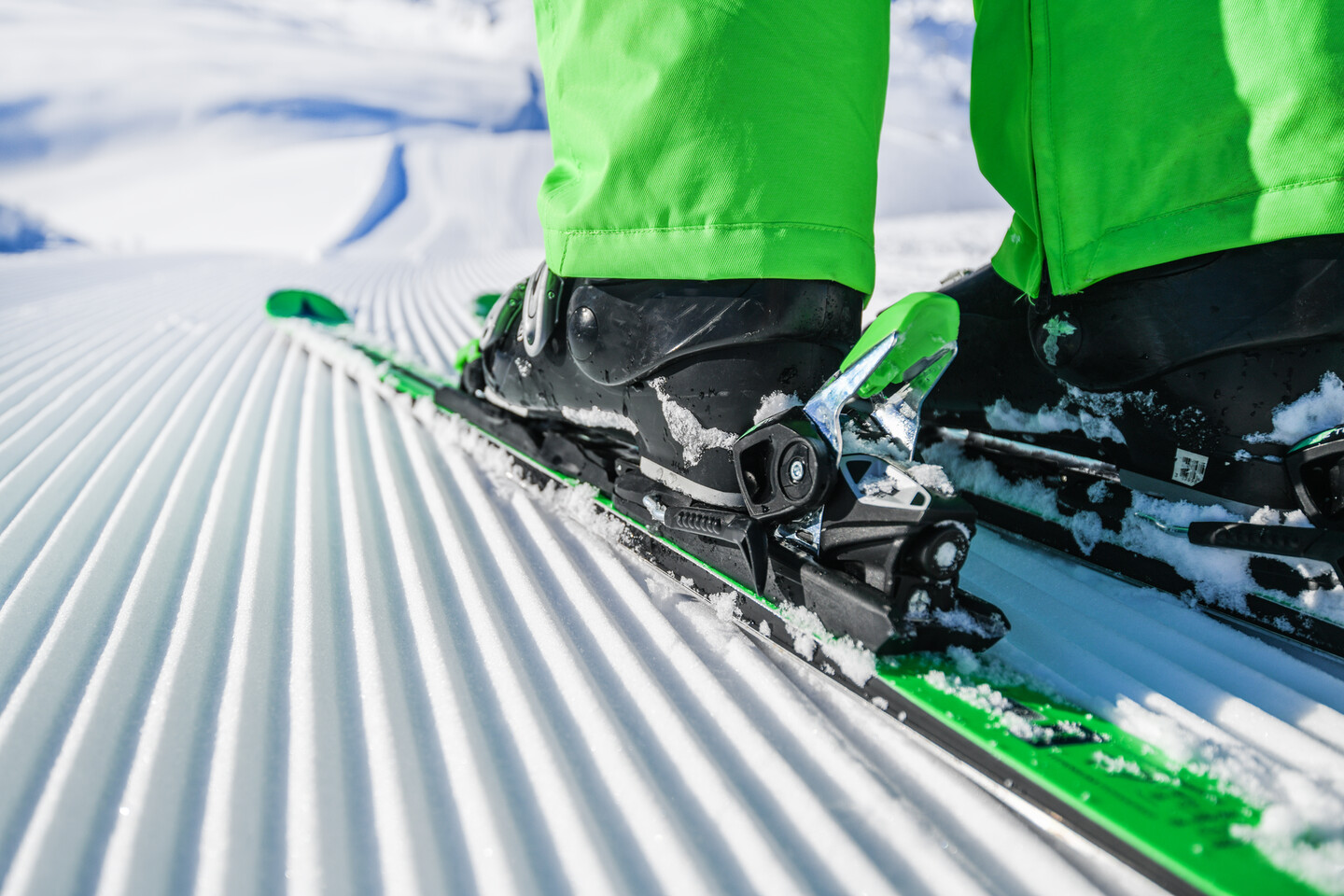
In addition to new materials, there are also technological advances in ski construction. Some manufacturers are experimenting with vibration-damping technologies that ensure a smoother ride and reduce leg fatigue. Advanced edge reinforcements also improve grip on icy slopes, which is particularly advantageous in high-altitude ski resorts. Sustainability is also a key consideration here, with some skis now being made from recycled materials and FSC-certified wood.
Ski wax
There is also an interesting development in ski wax. This is because ski wax can contain toxic substances that release harmful fumes during application and, whilst skiing, can leach into the snow and thus into the groundwater. More and more manufacturers are therefore striving to develop more environmentally friendly alternatives. Instead of wax, there are so-called esters which penetrate the base and alter the consistency of the ski in such a way that it acts like an all-weather wax without harming the environment.

Ski bindings
When it comes to binding technologies, safety aspects naturally remain at the heart of the development race. It is no wonder that intelligent binding systems with sensors, which detect unusual stresses and release in real time to prevent injuries, are increasingly coming into focus. As with skis, manufacturers are making no compromises on materials when it comes to bindings and are pushing for the use of lighter yet more robust materials. Another particularly interesting trend is the increasing compatibility of ski bindings with different types of skis, which offers skiers greater flexibility when choosing their equipment.
Ski helmets and goggles are becoming increasingly ‘smarter’
Ski helmets
In addition to developments in skis and bindings, the new ski season also brings numerous innovations in the field of ski helmets, enhancing both safety and comfort. Many models are equipped with MIPS technology (Multi-directional Impact Protection System), which offers additional protection against rotational forces in the event of a fall. Lightweight, high-strength materials such as carbon ensure maximum protection with minimal weight.
Integrated Bluetooth communication systems with microphones are among the most popular skiing trends, as they allow you to talk to other skiers or listen to music whilst skiing without relying on external devices. There are also helmets with smart sensors that detect falls and, in the event of an accident, send GPS coordinates to emergency services or call pre-set contacts. Things are also moving forward in terms of sustainability: some brands offer helmets with recycled shell material to conserve resources.
Ski goggles
Modern ski goggles are equipped with innovative technologies that significantly enhance the skiing experience and, consequently, the future of the sport. Thanks to contrast-enhancing lenses, they offer optimal vision in a wide range of lighting conditions. Auto-tinting lenses dynamically adapt to changing weather conditions, ensuring clear vision in sunshine, fog or snowfall. Some high-end models feature an integrated head-up display that shows real-time data on speed, altitude or weather forecasts. Anti-fog technologies and improved ventilation systems ensure that vision remains unobstructed at all times. Furthermore, many manufacturers are increasingly turning to sustainable materials to reduce their environmental impact.

The trend is towards greater safety
As well as a better fit, more high-tech features and lighter materials, the trend in ski equipment is also towards greater safety. This includes, above all, higher safety standards for off-piste gear. Alongside avalanche backpacks, which are a must in the backcountry and are now truly “smart” thanks to the integration of airbag systems, ski boots and bindings are increasingly being designed with safety in mind; safety is a key driver of innovation in both alpine skiing and deep-snow skiing. This makes the transition from marked piste to off-piste not only easier, but also far safer. Furthermore, in the coming ski season, hardly any freerider will venture into deep snow without avalanche transceivers and ultra-light, foldable avalanche shovels.

Greater safety in the backcountry is one of the trends in skiing, but it is not just a question of equipment. Some ski manufacturers have now developed their own safety programmes featuring expert-led courses, through which they aim to educate winter sports enthusiasts about avalanche risks and thus raise safety awareness to prevent avalanche accidents.
FAQ on skiing trends
What new technologies are making ski clothing more functional and sustainable?
Ski clothing is becoming increasingly innovative and sustainable. Thanks to nanotechnology, modern fibres are more water- and weather-resistant, whilst new membranes ensure greater breathability. In addition, sustainable alternatives to traditional down are being used to offer environmentally friendly insulation materials. Smart ski jackets with heating modules and sensors for monitoring temperature and humidity are further highlights that ensure greater comfort on the slopes.
What innovations are there in ski boots and how do they enhance the skiing experience?
The latest generation of ski boots offers more personalisation and comfort than ever before. Thermoformable liners mould precisely to the shape of the foot, preventing pressure points. New fastening systems such as BOA technology ensure a more precise fit and optimal support. Smart ski boots with app connectivity also allow for real-time customisation of flexibility. For cold days, there are models with integrated heating systems that keep your feet comfortably warm.
How do modern ski goggles and ski helmets contribute to safety on the slopes?
Modern ski goggles are fitted with contrast-enhancing lenses that automatically adapt to light conditions and ensure the best possible vision in all weather. Some high-quality models even feature a head-up display with real-time information on speed and elevation. In ski helmets, MIPS technology provides additional protection in the event of a side-impact fall. Integrated Bluetooth communication systems allow you to stay in touch with friends whilst skiing without compromising safety.
What role does sustainability play in ski equipment?
Sustainability is a key issue in the ski industry. Many manufacturers use recycled materials for ski clothing and skis. Ski jackets and trousers are increasingly made from recycled polyester or biodegradable fibres. Otherwise, companies offer take-back schemes where old skis and ski boots are recycled or turned into new products. Upcycling initiatives transform discarded skis into furniture or decorative items to reduce environmental impact.
What are the trends in ski gadgets and wearable technologies?
Wearables and smart ski gadgets are revolutionising winter sports. GPS trackers and performance apps analyse speed, altitude and personal skiing technique. Heated ski socks and gloves ensure maximum comfort in low temperatures. Smart avalanche backpacks with airbag systems and improved avalanche transceivers (AVS) ensure greater safety when freeriding and ski touring.

