
In winter, the Alps thrive on their majestic peaks, unique natural beauty and idyllic slopes for skiers and snowboarders. And it is precisely in these ski resorts that winter sports enthusiasts will find not only some of the world’s best runs, but also top-class cuisine in many of the mountain restaurants. Whether it’s traditional cuisine or modern dishes, there’s something to suit every ski-slope gourmet’s taste. SnowTrex knows exactly where to find some of the best mountain restaurants in the Alps and what makes them so special.
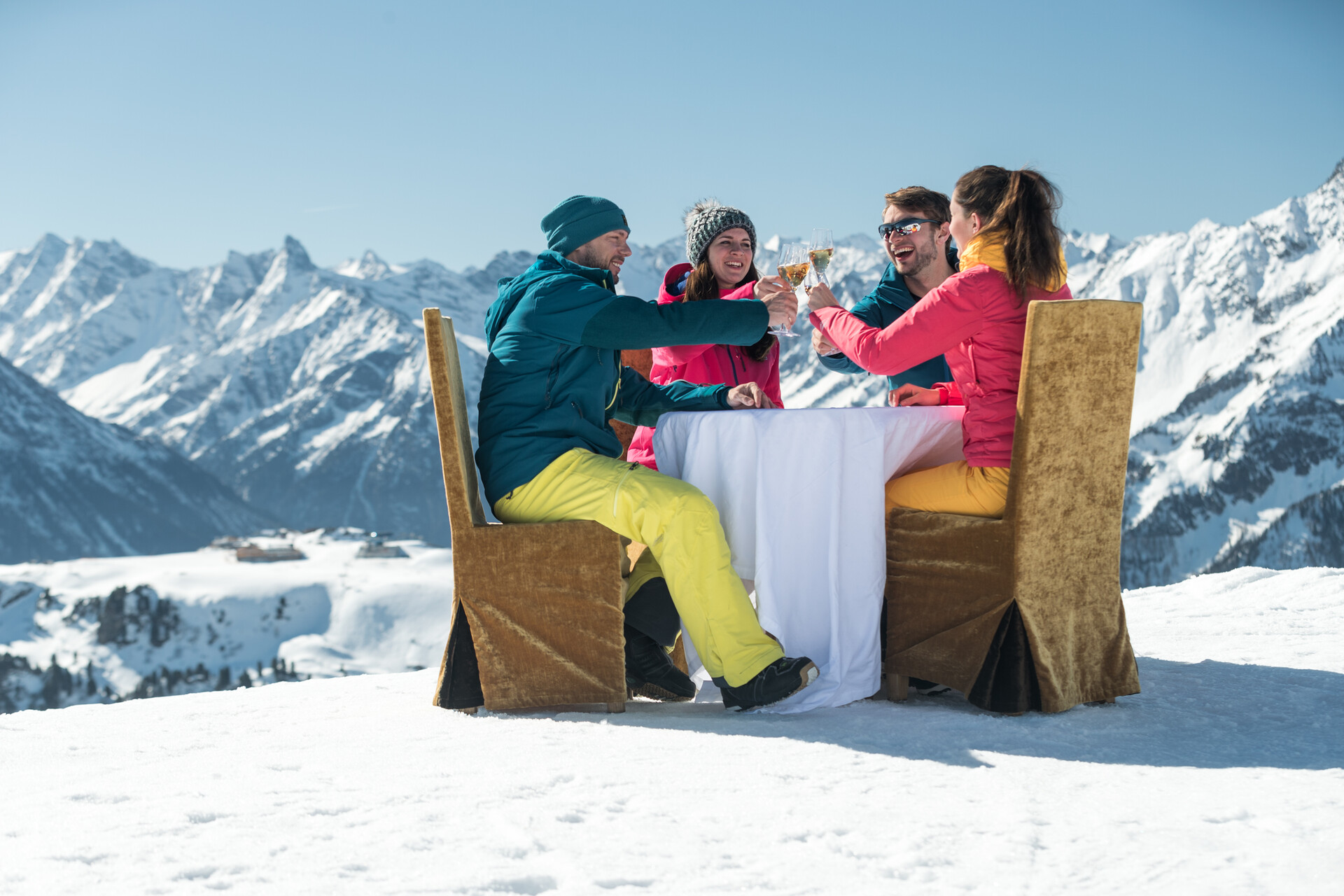
Traditional mountain restaurants in the Alps
Traditional mountain restaurants in Austria, Italy, Germany and Switzerland captivate visitors with their rustic architecture, timber façades, shingle roofs and cosy interiors, which highlight the authentic flair of each region. Culinary highlights include local classics such as cheese fondue, rösti or Tyrolean Gröstl, prepared with local ingredients and showcasing the region’s culinary traditions and specialities. The cosy atmosphere is further enhanced by rustic furniture, warm colours and large open fireplaces, which invite you to linger.

One of the most popular rustic mountain restaurants, with cuisine that is literally award-winning, is the “Rud-Alpe” in Lech am Arlberg. In Austria’s largest ski resort, winter sports enthusiasts can discover the hut’s 250-year history and enjoy dishes that have already been awarded a Gault-Millau toque.
For skiers who love fish, the elegant yet rustic “Rifugio Emilio Comici” in the Dolomites is just the ticket. At the foot of the Langkofel in Wolkenstein, celebrities such as two-time Formula 1 world champion Fernando Alonso have dined here.
How modern mountain restaurants win you over
Modern mountain restaurants are a world apart, often characterised by innovative architecture, large glass façades and minimalist design. The cuisine here tends to be international, featuring, for example, creative fusion dishes that make the most of exotic ingredients, are prepared in innovative ways, and offer vegetarian and vegan options. Trendy bars and lounges, serving unusual cocktails in a stylish atmosphere, also invite guests to linger.
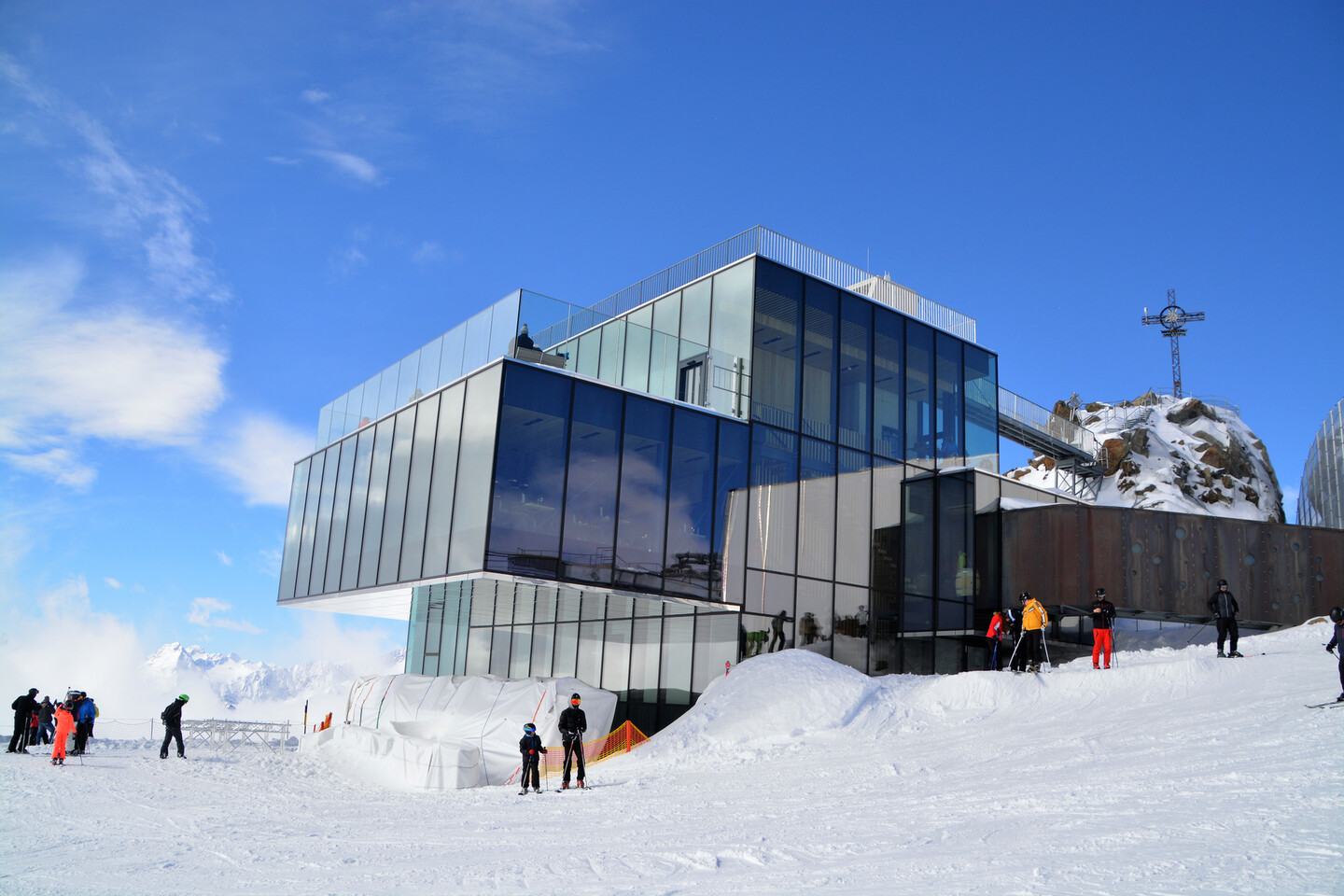
An outstanding example in this category is, of course, the “ice Q” in Sölden, which is not only known for its futuristic architecture and fine dining, but also served as a filming location for the James Bond film “Spectre”.
The “Kristallhütte” in the Hochzillertal-Hochfügen-Spieljoch ski area also impresses with its gourmet cuisine and fine wines in a mountain setting, combined with modern architecture. At 2,147 metres above sea level, alongside the wine cellar, there is also a small lifestyle hotel with stylish suites and a spa area. The menu features classics such as fresh apple strudel and the legendary Kaiserschmarrn, as well as an exquisite four-course gourmet menu.
Panoramic mountain restaurants – highlights for leisure skiers
Mountain restaurants with panoramic views impress – as the name suggests – with their location on peaks or slopes, from which you can enjoy spectacular views and a panorama of the surrounding mountains. Spacious sun terraces invite you to enjoy the fresh air, whilst heated indoor areas ensure comfort even on cooler days. The combination of fine dining and breathtaking views usually makes a visit to such a restaurant an unforgettable experience.
At 2,350 m above Kaltenbach, guests at the Wedelhütte are treated to a breathtaking panoramic view of the Zillertal. In the gourmet lounge with its “Sky Terrazza” – a glass-enclosed sun terrace – guests can savour specialities such as house-aged dry-aged steak, rocket risotto with truffles or char with Jerusalem artichokes.
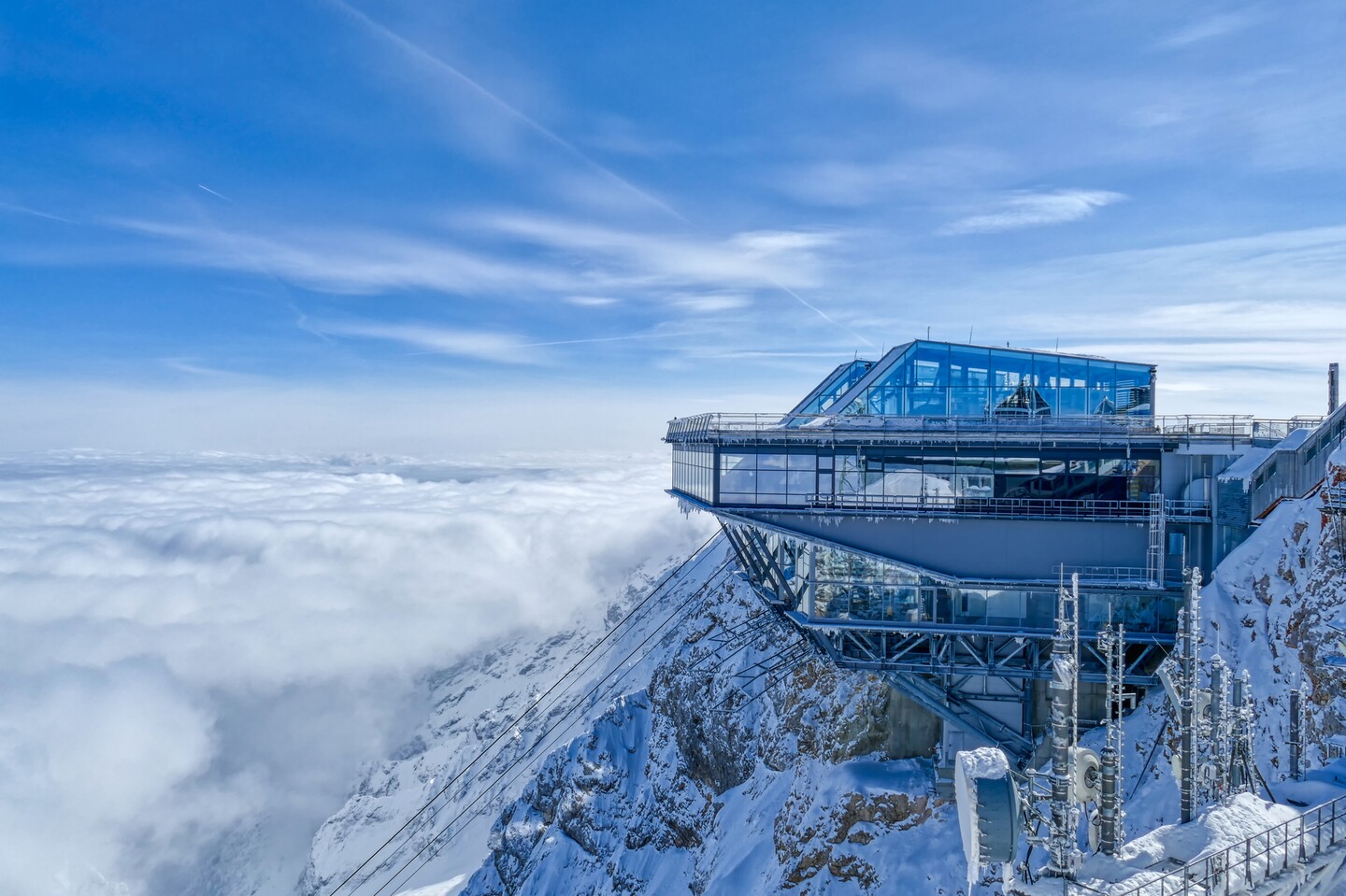
The fact that the view is the main attraction here is evident from the name ‘Panorama 2962’ itself. Located in the new mountain station of the Zugspitzbahn on Germany’s highest mountain, it serves specialities from Italy, Austria, Switzerland and Germany, including beef fillet, pizza and roulade.
Après-ski and more – mountain restaurants have plenty to offer
Many mountain restaurants are not only hotspots for foodies, but also for fans of après-ski activities, who can round off a long day’s skiing here with live music, DJs and a lively atmosphere until late into the evening. Some also serve as exclusive venues for events such as weddings, birthdays or corporate parties, which can be celebrated here in a unique setting right in the heart of the ski resort. Some of these restaurants also offer practical services such as the hire of equipment like sledge or snowshoes to make your stay even more varied.
An absolute hotspot in this alpine party capital is the “Alpenhaus” in Ischgl, right in the heart of the Silvretta Arena ski area. In the upper section of the mountain restaurant, winter sports enthusiasts can choose from an extensive wine list whilst enjoying views of the mountains, before culinary delights such as carpaccio, roast chamois, sea bass and specialities from the charcoal grill are served in the VIP lounge. After refuelling with Kaiserschmarrn and Jagertee on the sun terrace on the ground floor, it’s time for après-ski and a party.
Many mountain restaurants are committed to sustainability
Like many other businesses, numerous mountain restaurants have recognised the importance of sustainability in their operations. As such, restaurateurs place particular emphasis on using regional and seasonal produce to reduce transport distances and support local producers. In addition, environmentally friendly technologies such as solar panels and energy-efficient heating systems in the buildings help to minimise their ecological footprint. At the same time, by collaborating with regional businesses, the mountain restaurants strengthen the local economy and create jobs.
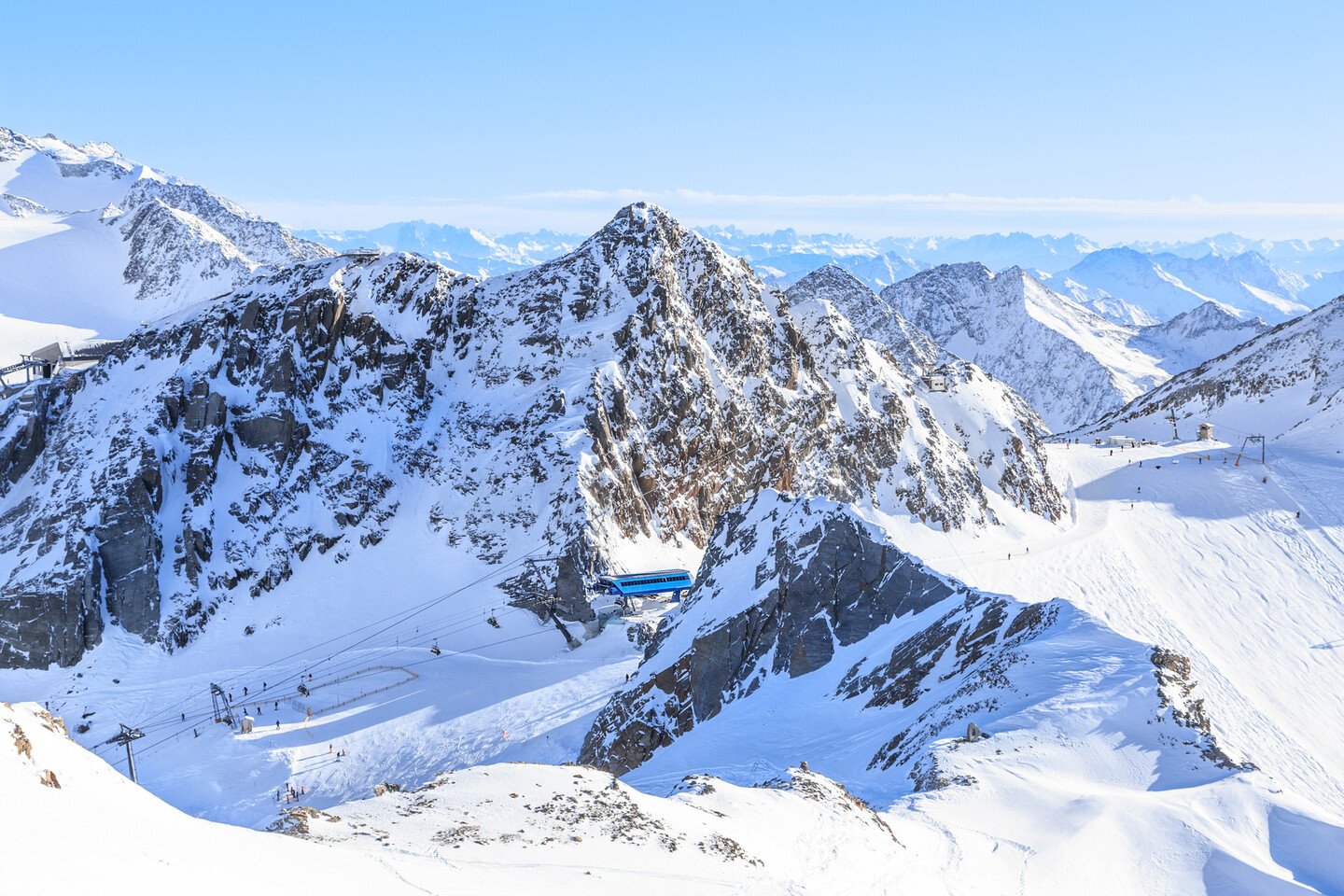
A pioneer in terms of sustainability and environmental friendliness among the restaurants is the “Schaufelspitz” on the Stubai Glacier. As part of the elite group of Tyrolean award-winning chefs, the team here feels a responsibility to consistently use regional ingredients and environmentally friendly technologies. The fact that the cuisine need not suffer in the slightest is demonstrated by the finest dishes – such as beef tartare, pheasant ham and rack of lamb – served at the Eisgratbahn mountain station at an altitude of 2,900 metres. A commitment to tradition is also practised at “Chez Vrony” in Zermatt, at an altitude of 2,100 metres. Alongside breathtaking views of the Matterhorn, guests can enjoy local dishes and Valais specialities, all prepared using produce from the restaurant’s own sources.
Tips to bear in mind when visiting mountain restaurants
At the most popular mountain restaurants of all kinds, it is advisable – especially during the high season – to always check availability in advance and then book a table to avoid long waiting times. Warm clothing and non-slip shoes are also essential; for longer stays outdoors, blankets or insulated seat pads are recommended. As prices vary depending on the restaurant and location, it is advisable to carry both cash and a credit card, as card payments are not accepted everywhere.
You should also always check whether mountain restaurants are child-friendly, their opening hours and their accessibility. Finally, reviews and recommendations from other customers are always an important factor when it comes to realistically assessing the quality of service, as well as the prices and costs at the individual huts.
FAQs on mountain restaurants
What sort of food do mountain restaurants usually serve?
Mountain restaurants in the Alps treat their guests to a wide range of dishes. Traditional huts specialise in regional classics such as cheese fondue, Tyrolean Gröstl or rösti, prepared with fresh, local ingredients. Modern mountain restaurants, on the other hand, surprise guests with international specialities and creative fusion dishes that combine innovative flavours and cooking techniques. Panoramic mountain restaurants often serve upmarket dishes such as dry-aged steaks or fine fish, which perfectly round off the culinary experience.
Do mountain restaurants also offer vegetarian or vegan options?
Yes, many mountain restaurants have expanded their menus and now offer vegetarian and vegan dishes alongside classic meat dishes. Modern restaurants such as the ‘Kristallhütte’ in the Hochzillertal or the ‘Schaufelspitz’ on the Stubai Glacier incorporate creative vegan menus and vegetarian highlights such as rocket risotto or Jerusalem artichoke dishes into their menus. These options appeal to both leisure skiers and health-conscious diners.
Do guests always have to book in advance at mountain restaurants?
A booking is strongly recommended, particularly during the high season, as mountain restaurants are often very busy. Restaurants such as the “Alpenhaus” in Ischgl or the “Rud-Alpe” in Lech offer online booking options to make planning easier for guests. Particularly in popular ski resorts, it is advisable to secure a table in good time to avoid waiting times.
Are prices in mountain restaurants higher than in ordinary restaurants?
Mountain restaurants are often slightly more expensive, as they offer high-quality ingredients and unique settings. However, the pleasure of enjoying a house-aged steak with a view of the Zillertal at the ‘Wedelhütte’ or a Gault-Millau-awarded dish at the ‘Rud-Alpe’ justifies the price. To ensure good value for money, many mountain restaurants focus on fresh, regional ingredients that underline their commitment to quality.
Do mountain restaurants also offer après-ski activities?
Yes, numerous mountain restaurants are renowned for their lively après-ski atmosphere. At the “Alpenhaus” in Ischgl, culinary highlights are combined with live music, DJs and a party atmosphere. Venues like these are the ideal meeting place for winter sports enthusiasts to round off a day on the slopes in style.

