
Deep-snow ski routes are a dream come true for many skiers and snowboarders! Away from the groomed slopes, a sporting challenge awaits amidst unspoilt nature. In the Alps in particular, ‘pure powder’ is the order of the day in winter, and so these deep-snow slopes are becoming increasingly popular with anyone who wants more than just standardised runs. But where can you find the best ski routes, what do winter sports enthusiasts need to bear in mind for their own safety, and how do these slopes differ from normal runs? SnowTrex now provides answers to these questions.

Advantages of ski routes
Safety and control
Although ski routes are not groomed, they are often marked out, making them a comparatively safe alternative to freeride runs. This is because the markings make it easier to find your way and help skiers to stay within a defined area. Furthermore, many ski resorts monitor their routes, constantly keeping an eye on snow conditions there. This allows them to draw direct conclusions about the current avalanche risk. And as ski routes run through a controlled area, experts can identify potential hazards in good time and issue warnings or closures where necessary. This ensures a high level of safety, provided that winter sports enthusiasts stick to the designated routes and follow the instructions issued by the ski lift operators.

Variety and challenge
Unlike perfectly groomed slopes, ski routes are characterised by their natural and varied terrain. Depending on the weather, snow conditions and slope gradient, conditions change from day to day. This makes every descent a new adventure, and requires winter sports enthusiasts to adapt their skiing technique flexibly to the varying conditions. The combination of narrow passages, steeper sections and untouched snowfields thus ensures a particularly intense skiing experience.
Even for experienced ski enthusiasts, these present technical challenges that require them to take a close look at their own skiing style. After all, anyone skiing on these routes sharpens their awareness of snow conditions, slope gradients and their own balance. This results not only in genuine skiing enjoyment, but also in a long-term improvement in technique.
An experience in nature
Another major advantage of ski touring is the immersive experience of nature. After all, skiers and snowboarders can venture away from the busy slopes to immerse themselves in an often untouched snowy landscape, enjoy the tranquillity of the mountains and experience the winter landscape in all its splendour. After all, many of these routes lead across untouched slopes, through snow-covered forests and along vast high plateaus. And this spectacular mountain backdrop, with its breathtaking views, is of course well worth exploring.
Differences between groomed slopes and ski routes
Conditions and maintenance
Groomed slopes are groomed daily by snowcats to ensure an even snow cover. Ski routes, on the other hand, are left in their natural state, meaning the snow is compacted unevenly by the weather and skiers’ behaviour. This can result in mogul runs, hard-packed sections or deep powder snow, and requires you to adapt your skiing style flexibly.

Level of difficulty and requirements
Whilst groomed runs have clearly marked difficulty levels, off-piste routes are often more challenging and require a higher level of experience and technique. Changing snow conditions and steep sections demand excellent ski control and a confident feel for the terrain.
Freedom and individuality
A striking difference lies in the individual nature of the descent. Ski routes allow greater freedom of choice when selecting a line and require skiers to actively interpret the terrain.
Choosing and planning ski routes
Regional circumstances and conditions
Choosing the right ski route depends heavily on regional conditions and the current weather. Some regions offer more sunny days and more stable snow conditions, whilst others are known for their deep-snow opportunities. Savvy winter sports enthusiasts check the weather forecast, snow depths and avalanche risk in advance to tailor their route choice accordingly.
Level of difficulty and fitness
The right ski route should match your own skiing ability and physical fitness. Whilst some ski routes feature gentler slopes with wide runs, others involve steep and narrow sections with challenging snow conditions. If you are unsure, you can consult local mountain guides or try out some easier ski routes first before considering more challenging runs.
Safety considerations and risk management
Safety plays a central role when planning a ski tour. In addition to good skiing equipment, an avalanche transceiver, probe, shovel, weatherproof clothing and a first-aid kit are essential. Skiing in a group also increases safety and enables rapid assistance in an emergency. Winter sports enthusiasts should find out about possible rescue points before every tour and choose a route with sufficient opportunities to rest.

Popular ski routes in the Alps
Vallée Blanche – Chamonix (France)
Length: approx. 20 km
Difficulty: moderate to difficult
The Vallée Blanche is one of the world’s most famous ski routes and leads through a breathtaking glacial landscape in the Mont Blanc massif. The descent begins at 3,842 m at the Aiguille du Midi, offering magnificent views of Mont Blanc from there. Due to crevasse zones and changing glacier formations, a mountain guide is almost always strongly recommended on this route in the Chamonix ski area. Particularly impressive on one of these advanced ski routes are the sections through the ‘Mer de Glace’ – the famous sea of ice.
Valluga – St. Anton Freeride Route (Austria)
Length: approx. 5 km
Difficulty: very difficult
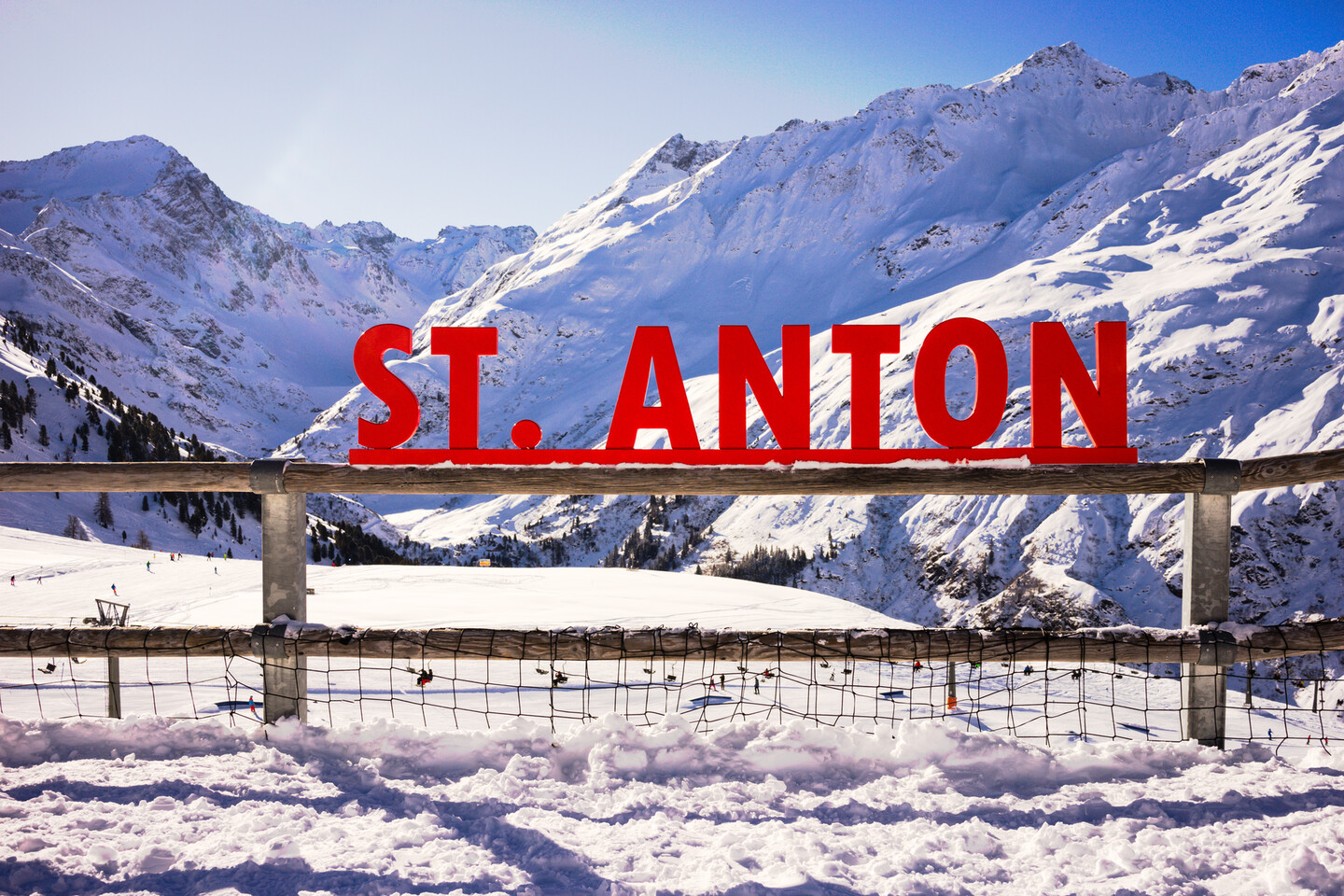
This ski route is really only suitable for experienced freeriders, as it starts directly from the summit of the Valluga at an altitude of over 2,800 m and is only accessible here with a guide. The view of the Alpine panorama remains unforgettable throughout the entire descent. Steep couloirs and vast fields of deep snow also demand technical skiing skills. This combination alone makes the Valluga in the Arlberg ski area one of the most challenging and sought-after ski routes in the Alps.-
Ventina – Cervinia (Italy)
Length: approx. 8 km
Difficulty: medium to difficult
Right from the start on the Plateau Rosa, this ski tour offers a majestic view of the Matterhorn. Vast glacial slopes also offer fantastic freeride descents away from the groomed runs. Snow conditions are almost consistently excellent, particularly in winter, as the route is situated at an altitude of over 3,500 m. The combination of the high altitude, the panoramic views along this ski route and the long descents into the valley makes the Ventina in the Breuil-Cervinia – Valtournenche ski area a must for winter sports enthusiasts who love freeriding.

North-facing descent from Aiguille Rouge – Les Arcs (France)
Length: approx. 7 km
Difficulty: difficult
A spectacular deep-snow descent begins at the summit of the Aiguille Rouge at 3,226 m, leading down into the valley over 2,000 metres in altitude. The ski route runs across steep slopes and vast fields of powder snow, making it ideal for experienced freeriders. The view of Mont Blanc accompanies winter sports enthusiasts almost the entire way down this run in the Les Arcs/Peisey-Vallandry ski area. As there are no safety measures in place, advice on ski routes such as this should be followed and avalanche equipment must be carried at all times.
Haute Route – Zermatt to Chamonix (Switzerland/France)
Length: approx. 120 km
Difficulty: very difficult
This legendary ski route connects the two ‘Alpine metropolises’ of Chamonix and Zermatt over several days. It alternates between high-Alpine passes and vast glacial expanses with challenging descents. Technical expertise, fitness and the right equipment are essential. Anyone who masters the entire route from the Zermatt ski area will not only experience one of the longest ski routes in the Alps, but also one of the most impressive high-alpine ski traverses in the world!
Things to bear in mind on ski routes
Equipment and preparation
The right equipment is key to a safe and enjoyable ski route experience. As well as classic skis or touring skis, avalanche equipment including an avalanche transceiver, shovel and probe, plus a ski route map, is essential. Weatherproof clothing, a helmet and ski goggles offering good visibility in changing light conditions are also part of the basic kit. In addition, a rucksack containing sufficient water, a first-aid kit and a map or GPS device for navigation is recommended.
Behaviour on ski routes
Respect for nature and other winter sports enthusiasts plays an essential role on ski routes. You should stick to the marked slopes and routes to avoid taking unnecessary risks. Avalanche warning services provide regular updates on the current conditions, and these should be checked carefully before setting off on any tour. Skiing in groups is also recommended, as mutual support can be invaluable in an emergency.
Sustainability and environmental protection
Anyone out on ski routes should be mindful of their environmental responsibility. Rubbish should be taken back down to the valley, and sensitive wildlife reserves should not be entered. Respecting flora and fauna helps to ensure that ski routes remain unspoilt and accessible in the future. It is also advisable to avoid making noise so as not to disturb wildlife.
Best time for deep-snow skiing
The best time to explore ski routes is during the winter months, when snow conditions are stable. Many regions in the Alps offer ideal conditions for deep-snow skiing from December to April, with January and February being particularly reliable. If you’re setting off very early or late in the season, it’s important to check the current snow conditions and be aware of potential hazards such as avalanches or icy sections.
Preparation and training considerations
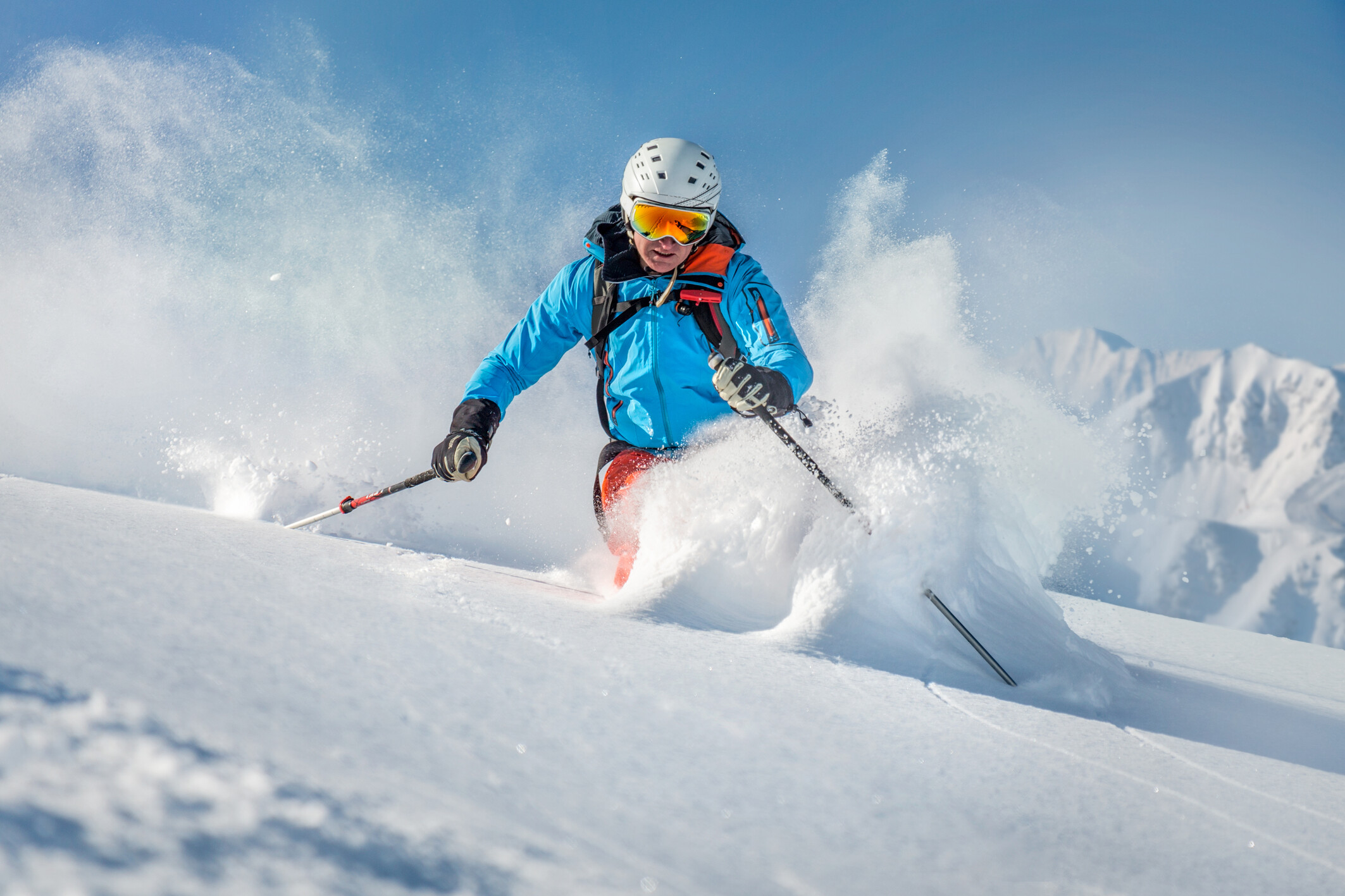
Ski routes are not really suitable for beginners, as they present a physical challenge and require a solid level of basic fitness. Preparatory strength and endurance training can help develop the necessary muscle strength and stamina for longer descents. In particular, the leg muscles and core stability should be strengthened through targeted exercises. Technical training on groomed slopes or in deep snow areas also improves skiing technique and confidence on ski routes.
FAQ on ski routes
What are the most important safety measures for ski touring in deep snow?
Experienced skiers should consult the latest avalanche bulletin before every ski tour and check the weather and snow conditions. A full set of avalanche safety equipment, including an avalanche transceiver, probe and shovel, is essential. It is also recommended to ski in groups, to stay on marked slopes and, where necessary, to engage an experienced mountain guide, particularly on challenging routes such as the Vallée Blanche in Chamonix.
How does a ski route differ from a traditional ski run?
Whilst ski runs are groomed daily and have defined levels of difficulty, ski routes are left in their natural state and require greater technical skill and personal responsibility. Snow conditions on ski routes change constantly and may include deep snow, bumps or icy sections. They are often marked but run off-piste and therefore offer greater freedom and a more immersive experience of nature.
When is the best time for ski routes and deep-snow descents?
The best conditions for deep-snow descents on ski routes in the Alps are from December to April, with the most stable snow conditions between January and February. This is when the most snow falls, and the avalanche risk is easiest to assess. At the start of the season and in spring, winter sports enthusiasts should pay particular attention to avalanche warning levels and potential icy patches to ensure they stay safe on the slopes.
How do winter sports enthusiasts prepare physically for challenging ski tours?
A good level of basic fitness is essential for deep-snow descents. In particular, the leg and core muscles should be strengthened through squats and stabilisation exercises. Sports such as mountain running or cycling improve endurance, whilst balance training on a balance board improves stability. Anyone who regularly practises deep-snow skiing on groomed slopes is well prepared.
Which ski routes in the Alps are particularly suitable for deep-snow descents?
The Alps offer first-class ski routes for deep-snow skiers. The Vallée Blanche in Chamonix winds through a spectacular glacial landscape and offers up to 20 km of untouched snow. In St. Anton, the Valluga route, with its steep deep-snow sections, is a real challenge for experienced skiers. The Aiguille Rouge north face descent in Les Arcs is also popular, leading down into the valley over 2,000 metres in altitude. Those looking for a multi-day ski tour can tackle the Haute Route between Zermatt and Chamonix.

